September 2026
I purchased this camera myself and have no commercial relationship with OM SYSTEM or any photography-related company. I’m hoping this can help people who are seriously considering pulling the trigger on this new Micro Four Thirds camera, prospective purchasers who are already familiar with the core specs.
This is my first camera review and an initial impression based on approximately one day of use, not a final long-term review. I am focusing particularly on the areas that are difficult to assess from specifications such as handling, portability and autofocus tracking.
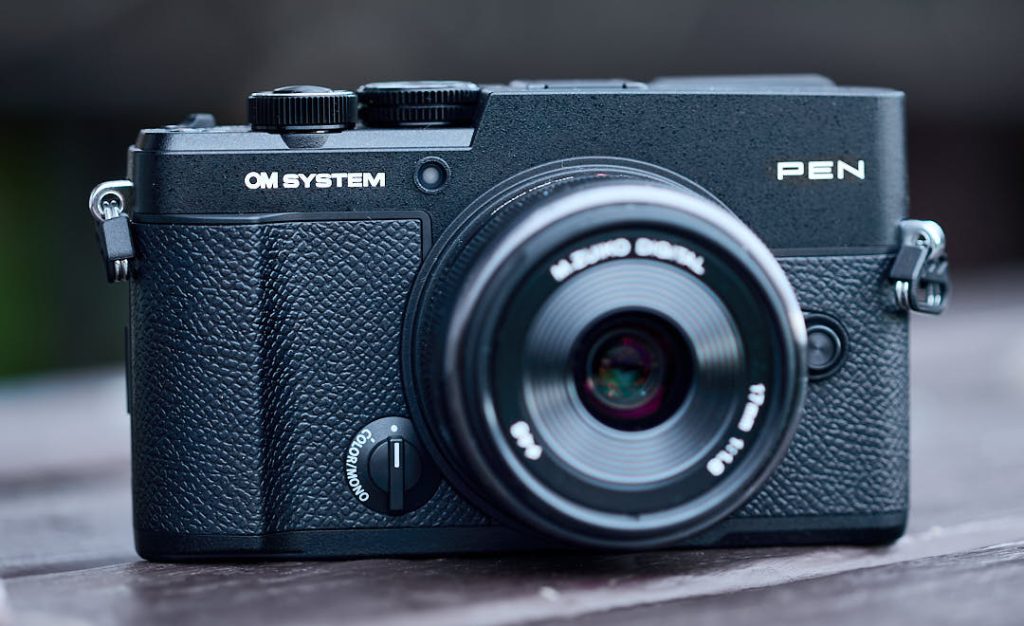
For context I primarily use Canon Equipment but I also need a much more portable system. I would prefer to use a single photographic system and benefit from the familiarity and muscle memory advantages that go with that. However if tramping or biking deep into the backcountry, carrying Canon gear, especially the lenses, is not usually an option. I have owned many Micro Four Thirds (M43) cameras including both Panasonic and Olympus cameras.
My five non negotiable requirements were:
1. weather sealed
2. highly portable. (The M43 system fits this portability requirement not primarily because of the size of its bodies, but because of the size of the lenses).
3. image stabilisation
4. An electronic viewfinder was essential
5. modern autofocus
Whilst researching the camera, there was one of the above requirements that couldn’t easily be verified, that being the autofocus tracking. My use case in this regard is trail runners, mountain bikers, children, snowboarders – anything that moves in the outdoors. (Birds in flight I however accept as a bridge too far for the ultraportable adventurer).
There are certainly other M43 cameras that have excellent AF Tracking but are larger (and more expensive) than I’d like.
Initial impressions – Ergonomics
The camera is a little bit larger than I’d like. I once owned a Panasonic Lumix GM5 and that was extremely portable. The flipside is that the controls were very cramped. If you look at the excellent Camerasize resource and compare the new PEN with other bodies you’ll see that it is a pretty similar size to the OM SYSTEM OM5. However because of the PEN’s rangefinder design it will be easier to slip into bags and large pockets as it does not have a viewfinder hump protruding.
Regarding the On/Off switch, I was initially concerned that when powering on the camera to photo mode, it would be difficult to not move the switch too far and end up in video mode. Indeed this has proved the case so far. Hopefully I’ll get used to it and my thumb muscles will become more precise. It is however nice to be able to power on with the right hand.
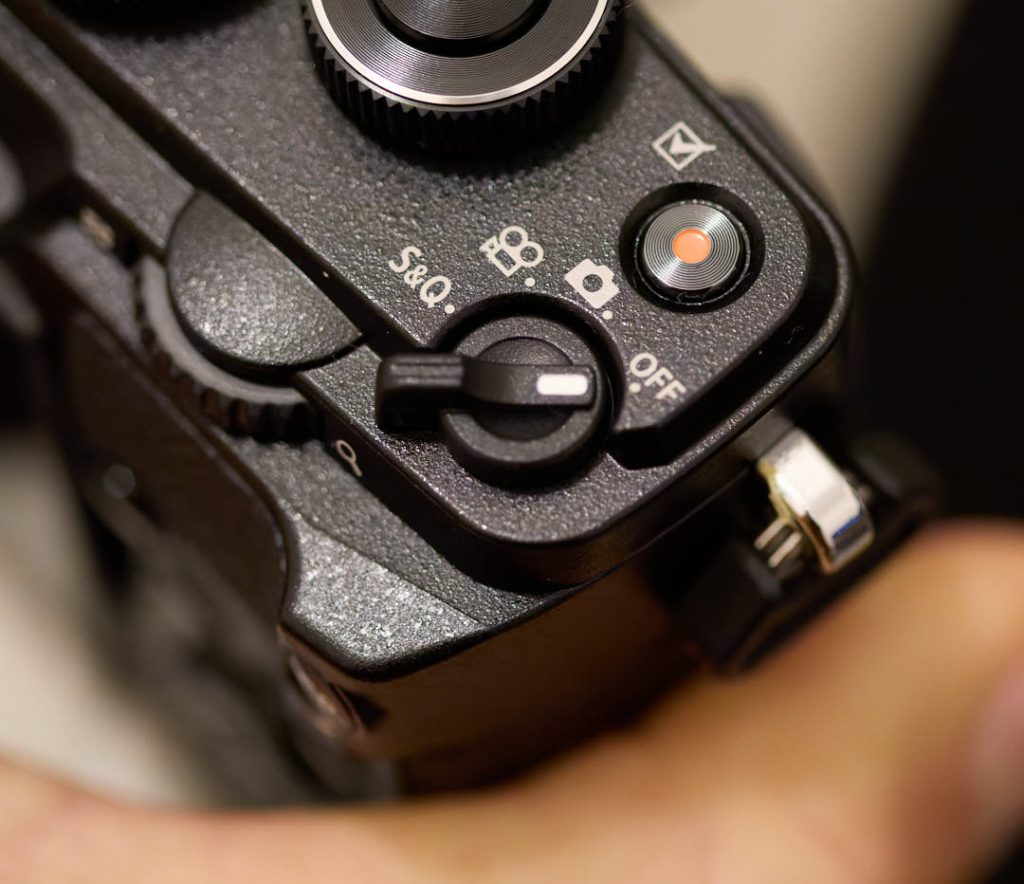
Petapixel criticised the placement of the AF On button and I’ve also found that to be less than ideal. I’ll get used to it though and if needed I can always swap that functionality with the CP button. The camera is quite customisable for an entry level body which is a big plus.
Not much to say about the timeworn EVF – it’s noticeably smaller than on my Lumix G80 but still usable.
The Articulated Screen flips out with a firm hand. Canon do a slightly better job here – the groove to get your finger into is more intelligently placed in the bottom right of the screen – as opposed to the centre as it is with OM and Panasonic.
Initial battery charging took about 2 hours. It appears that fast charging is not supported. (I was however also able to charge it off a powerbank). During testing battery life appears good as echoed by initial reviews. Better than the Lumix that’s for sure.
The menus are much more friendly to my way of working than the Lumix, possibly because OM’s menu structure aligns more closely with the well-regarded Canon menus. And the touch screen now works with all menu items (unlike the OM-3). Furthermore you can customise a ‘My Menu’ menu page. A nice touch at this price.
Weather Sealing
The big differentiator in the market between the OEM system PEN and other entry level interchangeable lens cameras is the fact that the PEN has a rated weather resistance of IPX1. That’s not a very stringent rating so what this means in the real world only time will tell. However I was pleased to see rubber gaskets around the battery and SD Card slot. (Not sure if you can see this from the image of the battery door below).
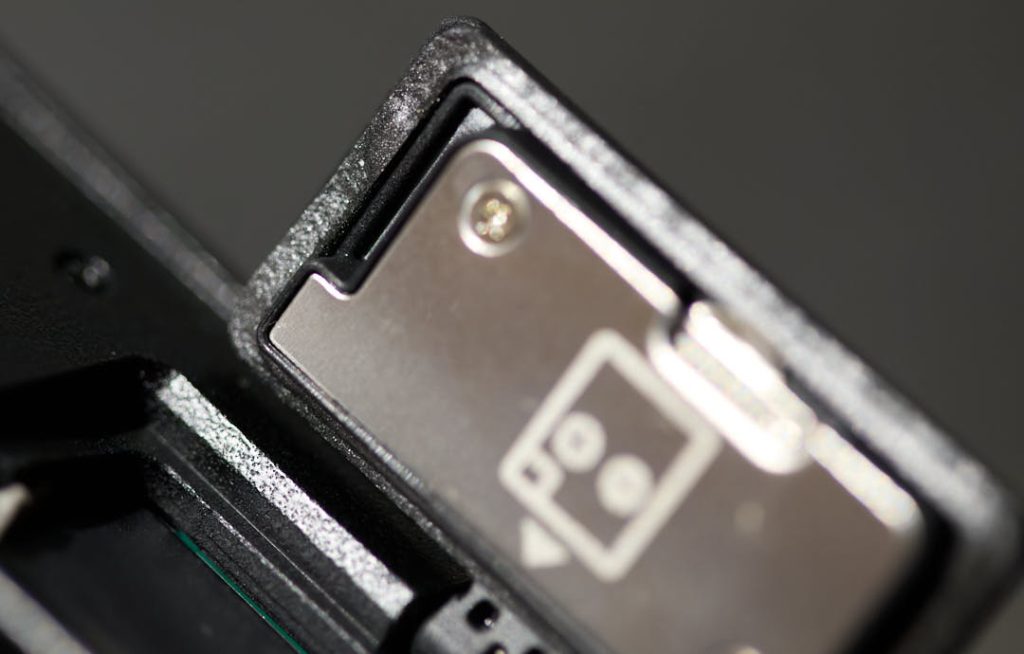
Note that for weather sealing a weather resistant lens is also required.
Image Quality
Raw Image Quality has barely advanced in the past few years so for a modern camera this is no longer a significant factor in the buyer’s choice. (There are of course IQ differences between formats i.e. M43, FF, Medium Format etc).
You can compare image quality between different cameras at the DP Review IQ tool.
This sensor’s IQ is very familiar so I won’t dwell on it. It’s been around for a decade and is quite well regarded. Of note is that it has a fairly quick readout speed therefore rolling shutter (image skewing of fast motion objects in photo and video) is minimised.
I haven’t yet played with the custom colour recipes. I shoot RAW 99% of the time so this won’t be a big feature for me. However, I will investigate and they may convert me to an occasional JPG shooter.
The computational photography modes are also untested but Live ND and Handhold Hi Res will be useful. However the slow processing (camera locked up and unavailable) of these modes is a shame, as is the lack of the Graduated ND function.
In ordinary daylight, image quality is unlikely to distinguish this camera from recent 20MP Micro Four Thirds bodies.
Image Stabilisation
This is another area where M43 has traditionally had an advantage due to the comparative manufacturing ease of stabilising a smaller sensor. I’ve achieved tack sharp results at 100% view hand holding (unbraced, e-shutter) the Sigma 56mm 1.4 lens at 1/3 second and could probably go slower. (Note this is 112mm equivalent in FF terms).
The OM SYSTEM 17mm 1.8 was fine at 1 second (I haven’t tried any slower than that so far). Despite the lack of Sync IS and the apparent lesser IS capability compared to other OM SYSTEM cameras, I am so far happy with what I’m seeing here.
AF Tracking
Note – Video AF Not Tested
In my opinion, excellent autofocus coupled with interchangeable lenses is one of the really important reasons for stepping up from a phone camera. Older contrast detect AF systems just don’t cut it in 2026 and OM SYSTEM know this. They wisely went with a Hybrid Phase Detection AF system. However it is based upon an older design and is possibly constrained by the camera’s slower TruePic IX processor. So how would it fare in real life?
AF is not an easy thing to test as there are many variables: subject, lens used, light levels to name a few. And even on an entry level camera like the PEN there is a plethora of AF settings which I have not fully mastered yet. This is not a laboratory test, but I will describe the conditions and settings so the results are hopefully useful.
I used the excellent Sigma 56mm 1.4 (Full Frame depth of field equivalent of f2.8), which provides a stern test. As for SD card, a Sandisk Extreme Pro v30 170/MBs was used. (The PEN doesn’t support UHSII cards).
(Note that RAW files are not currently supported by the major software providers. You can download OM Workspace software to process the RAW’s (camera serial number is asked for) from this website: https://download.omsystem.com/pages/owdownload/en/)
Test Settings:
Exposure values, F1.4 @ 1/2000, ISO 200
AF Point where used – Single.
Image Quality – Large Fine Jpg – Straight Out Of Camera, Natural picture mode. No processing apart from a 50% crop and web sized reduction applied.
Drive – Silent Shutter (8fps)
Release Priority in CAF – On
Half press shutter set to Human Subject detection, AF On button set to AF Point
Face Eye detect – Off
Environmental Factors:
I asked the runner to jog at a moderate pace, and they covered a distance of between 10 and 2 metres from the lens. Approaching directly. It appeared that the AF box stayed on the runner throughout the sequences. It was an overcast day with plenty of light.
AF Point Focus, Tracking Sensitivity 0
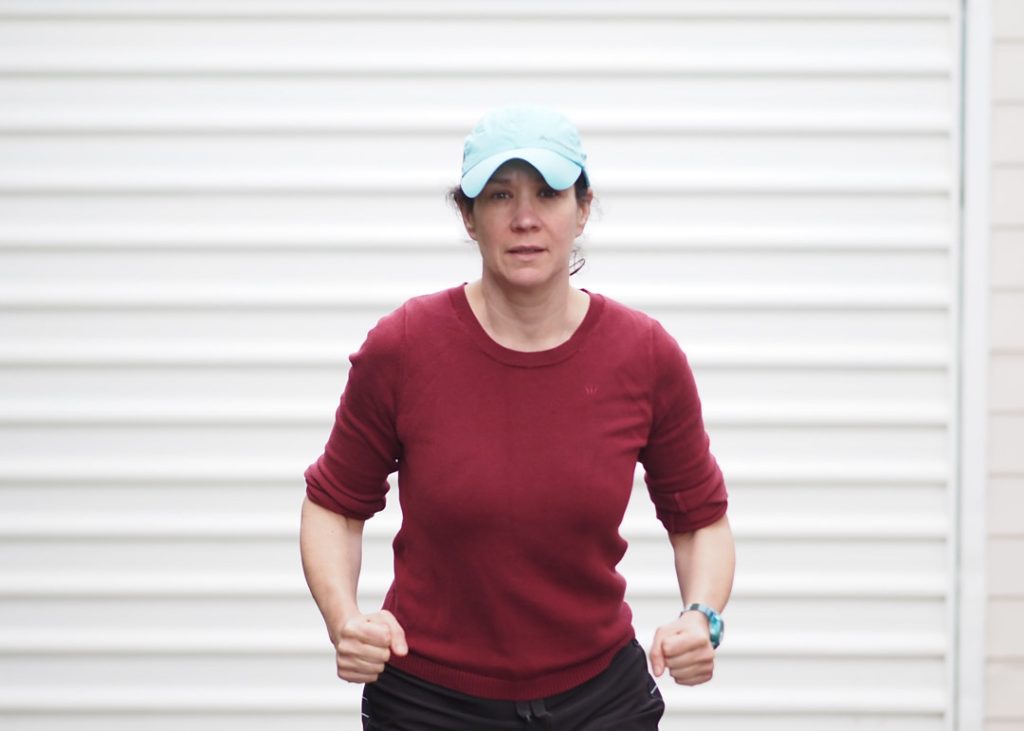
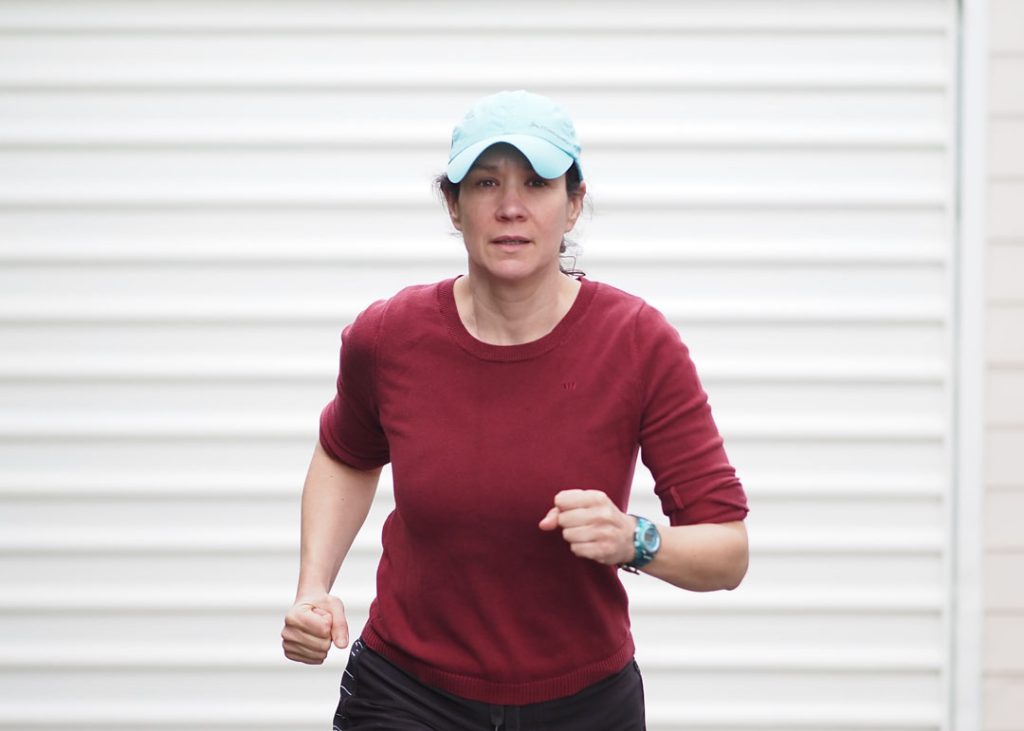
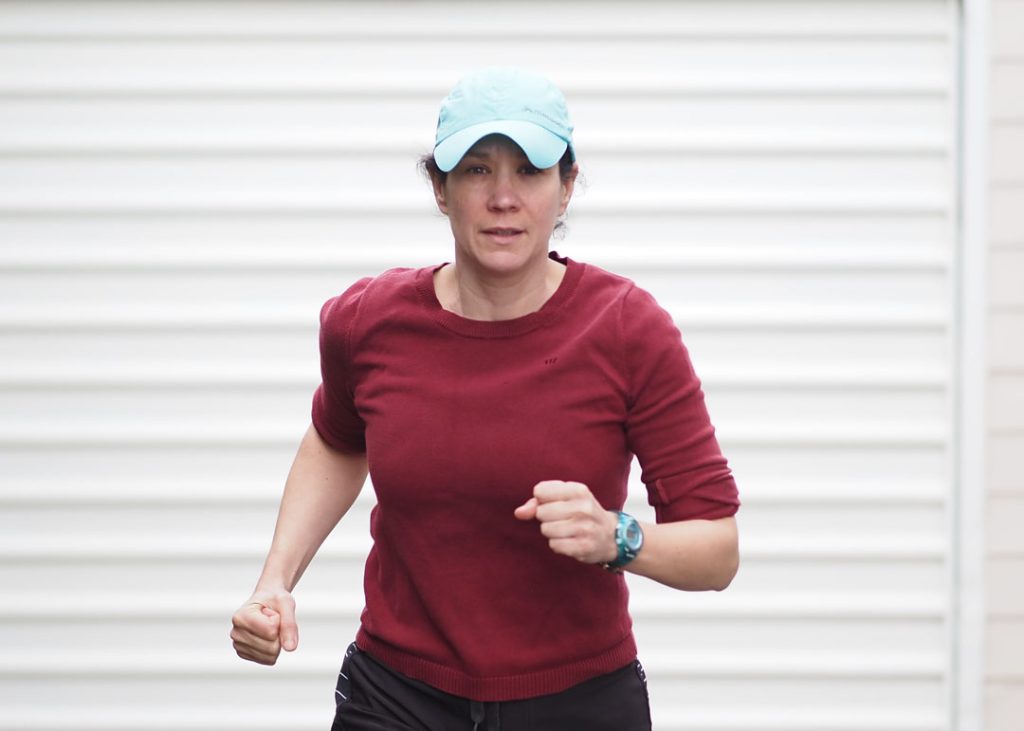
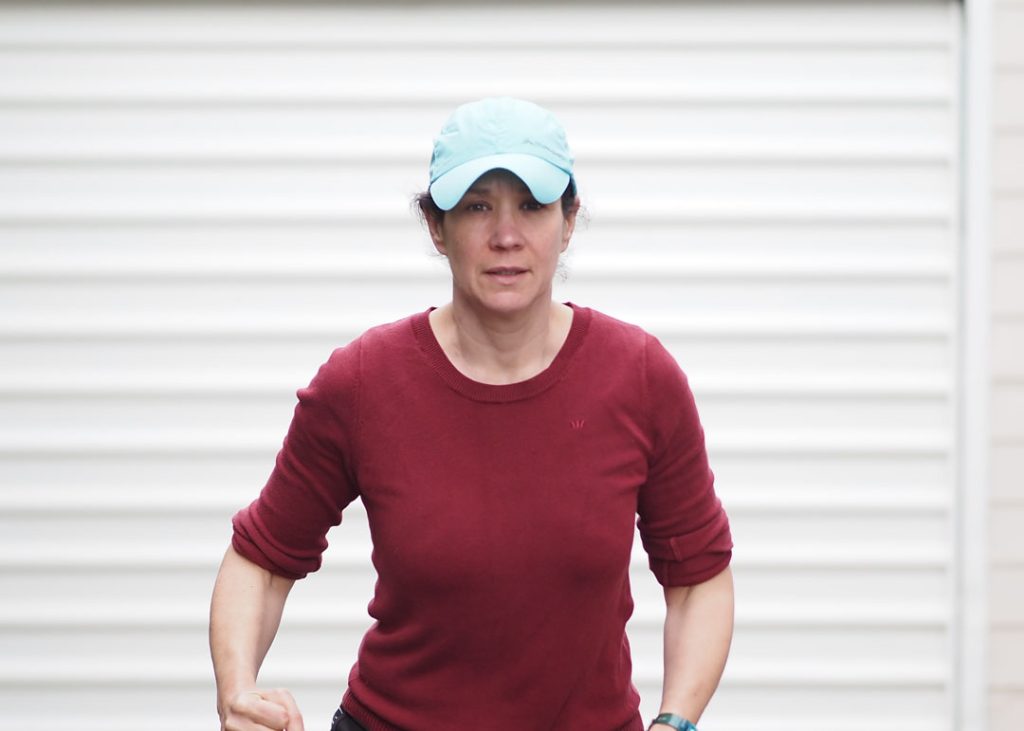
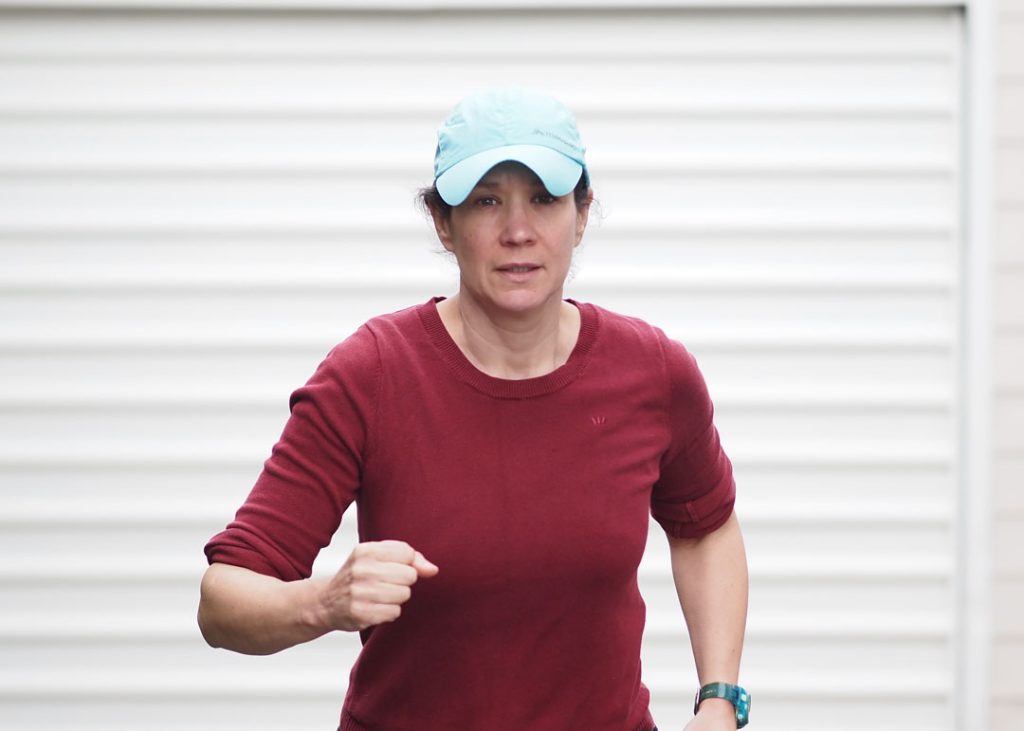
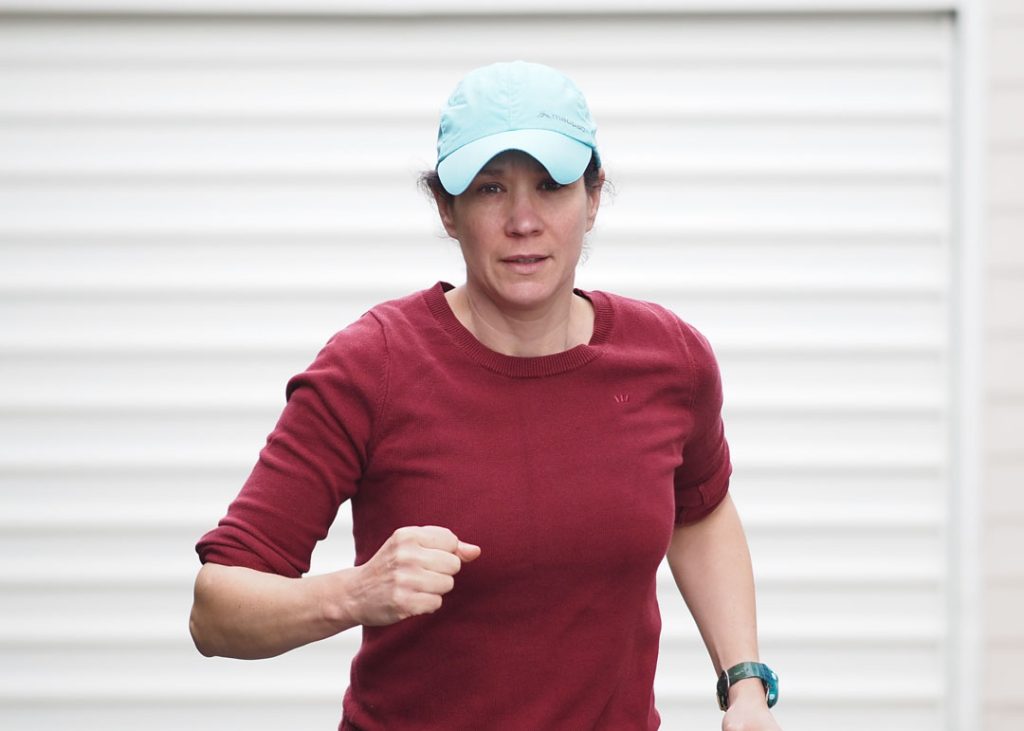
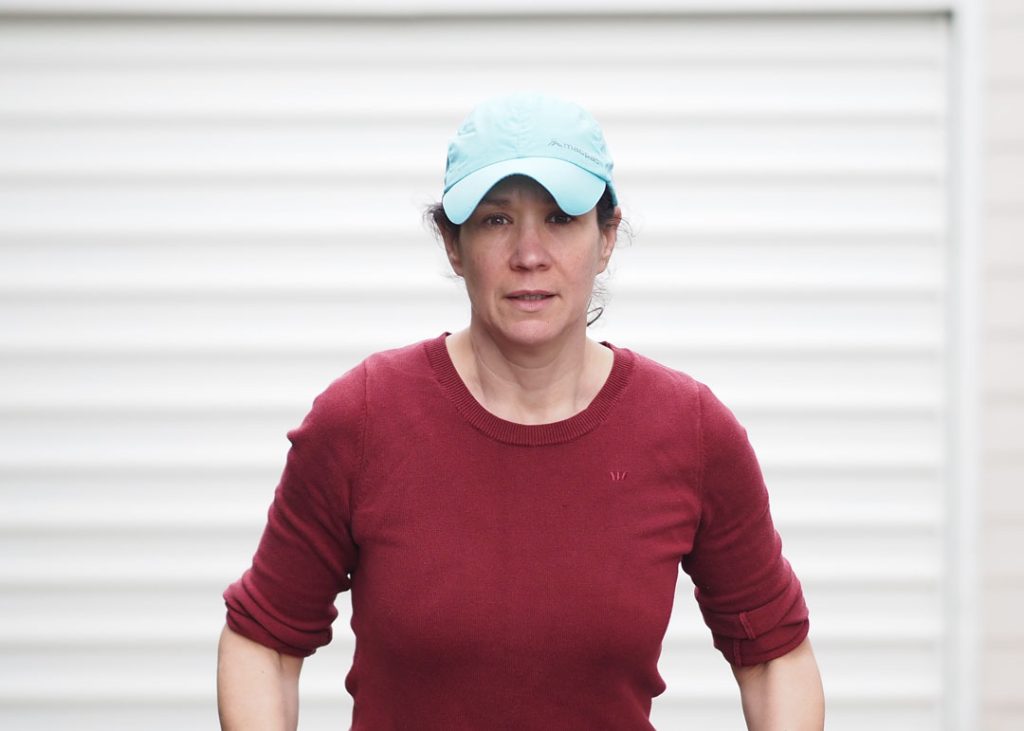
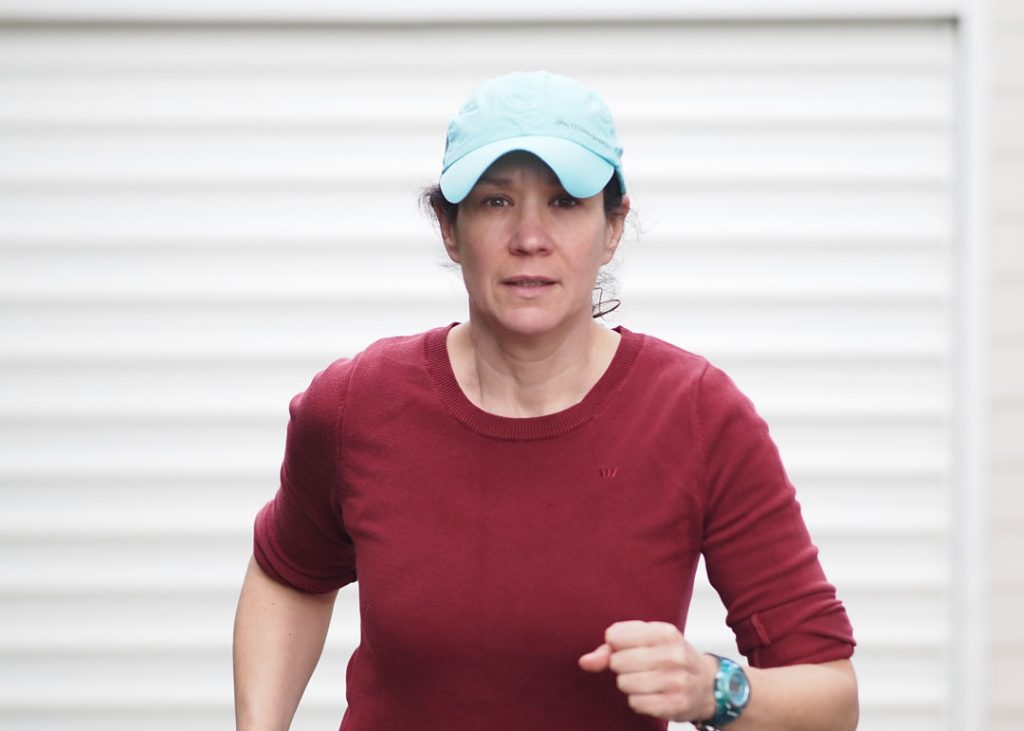
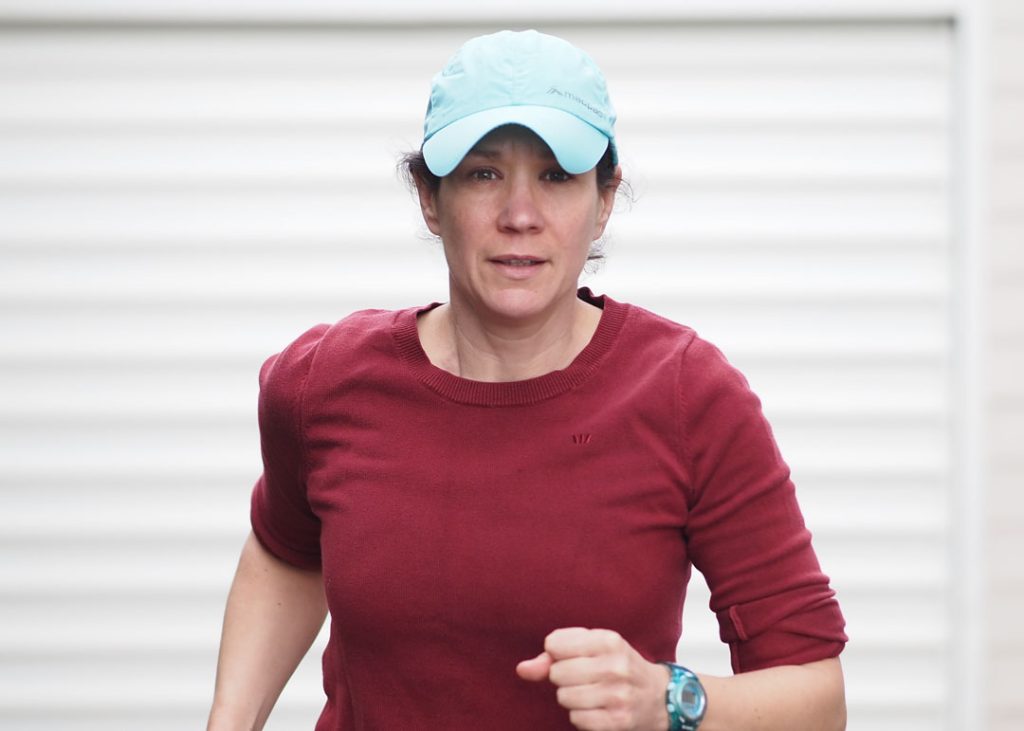
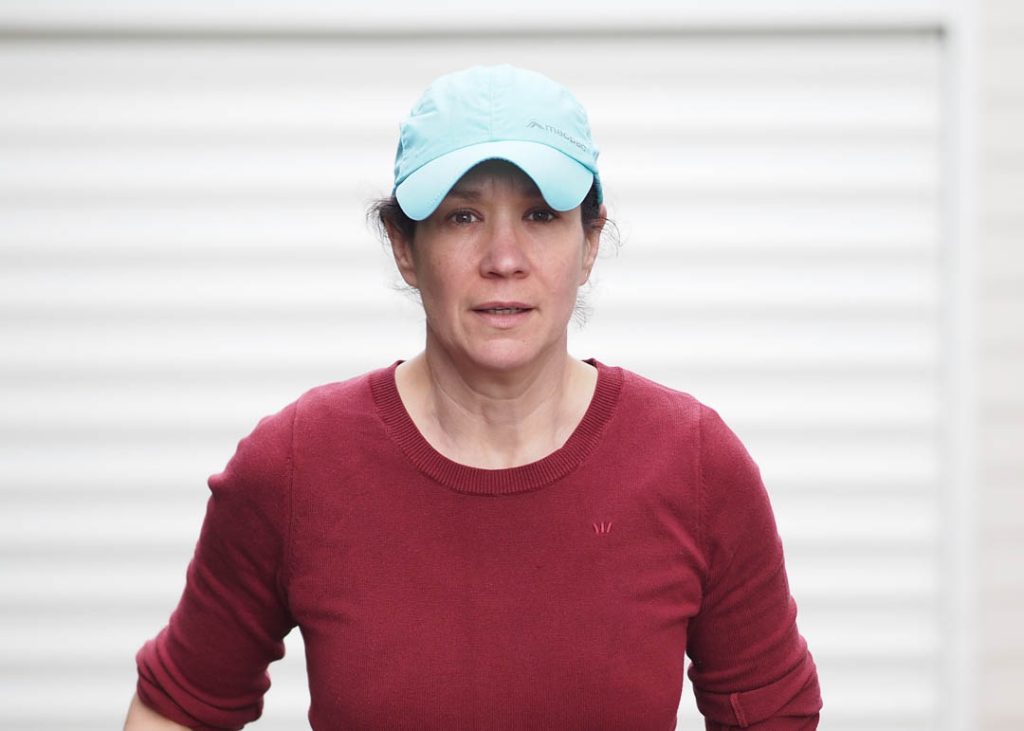

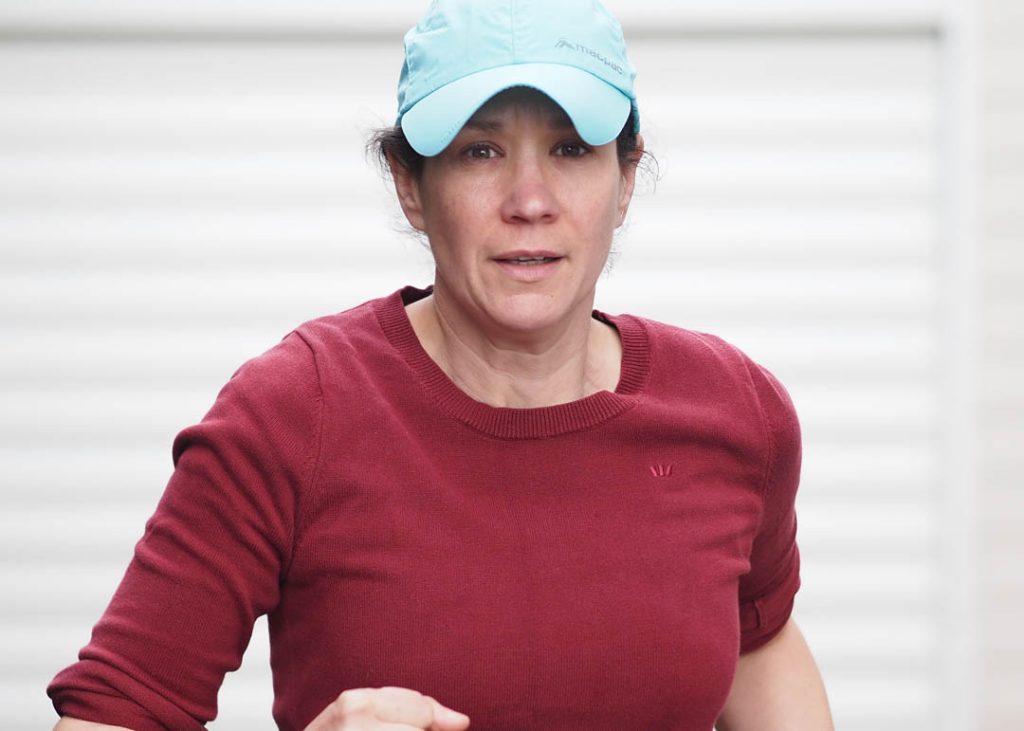
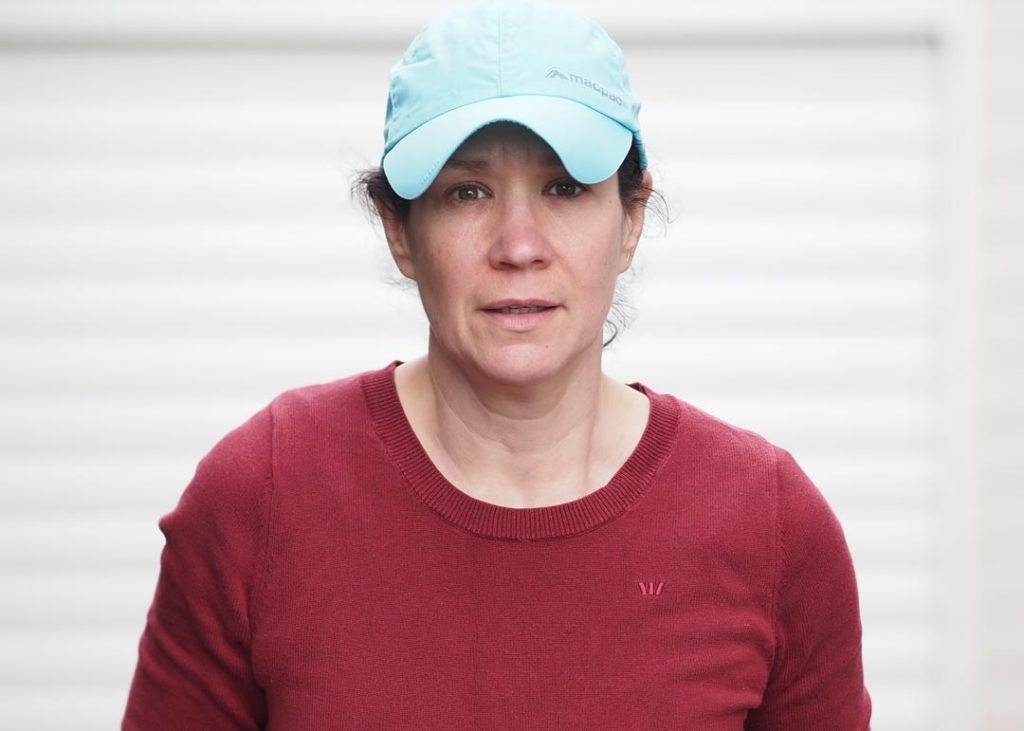

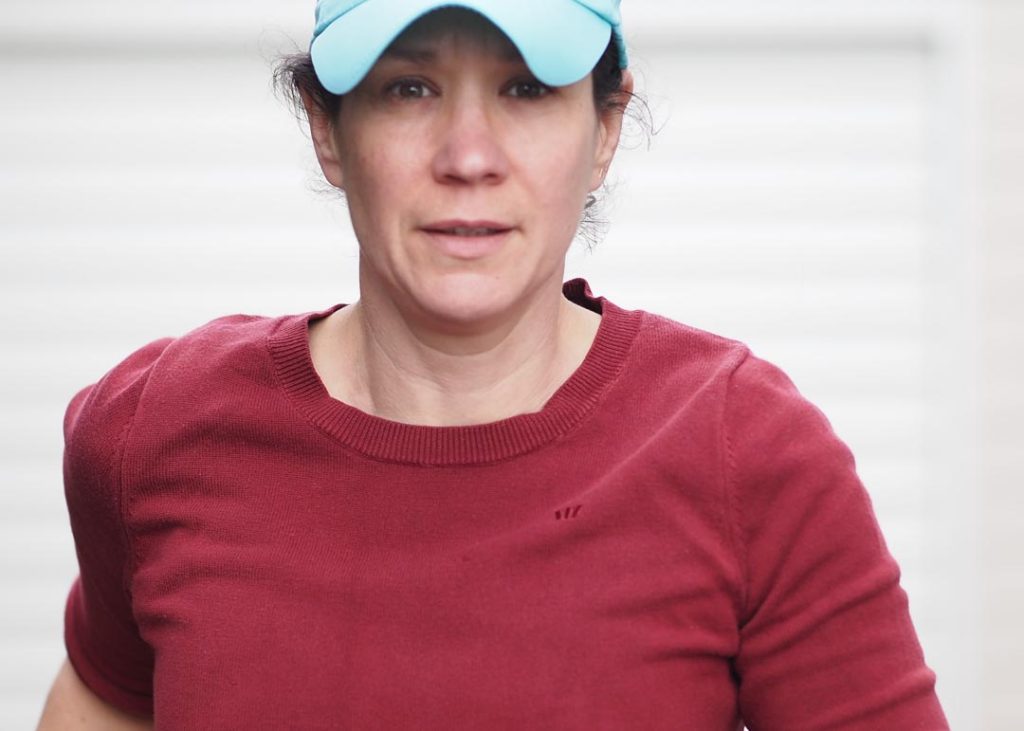


Comments: Excluding the last two images, 2 or 3 where eyes not sharp. Focus when missed often on the ears.
AF Point Focus, Tracking Sensitivity 2
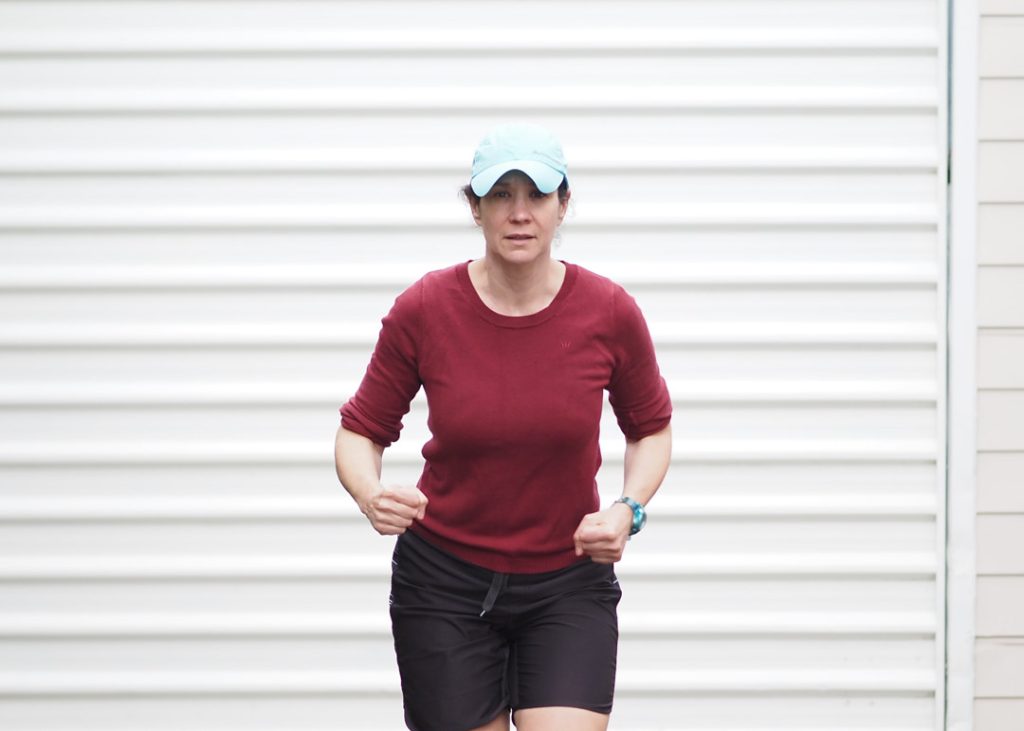
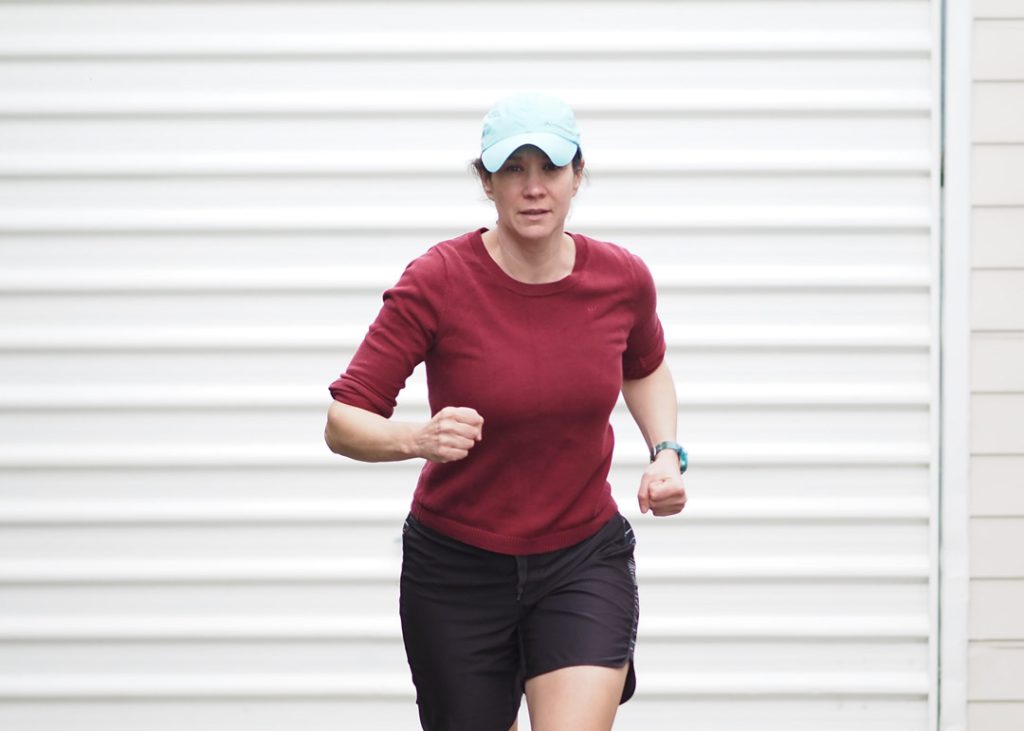
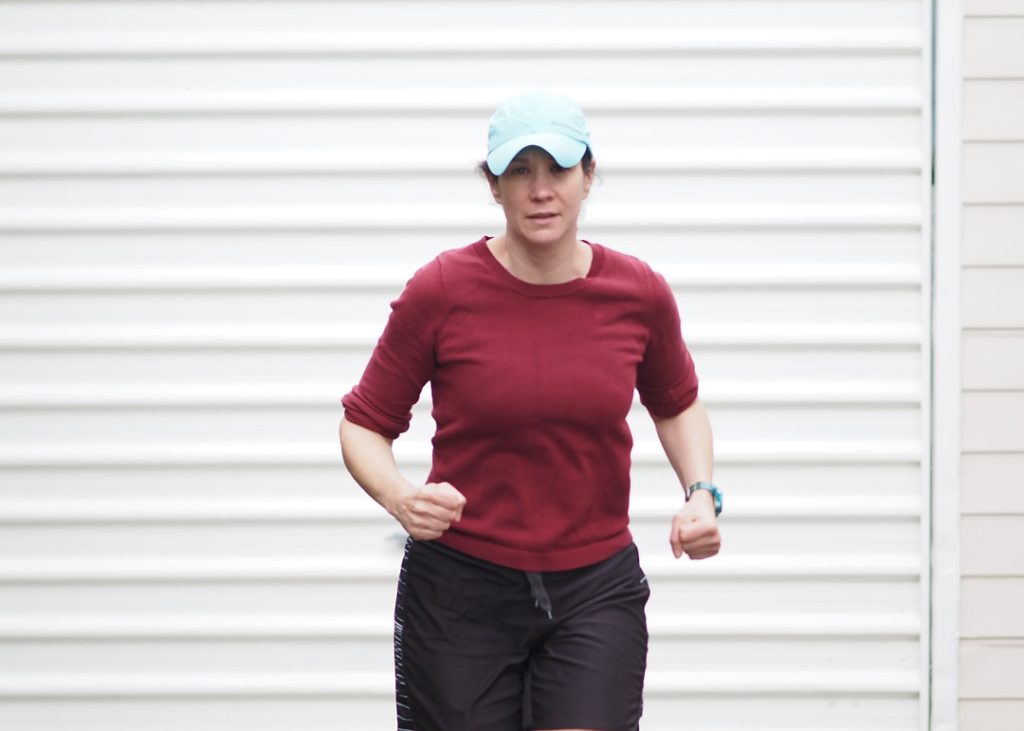
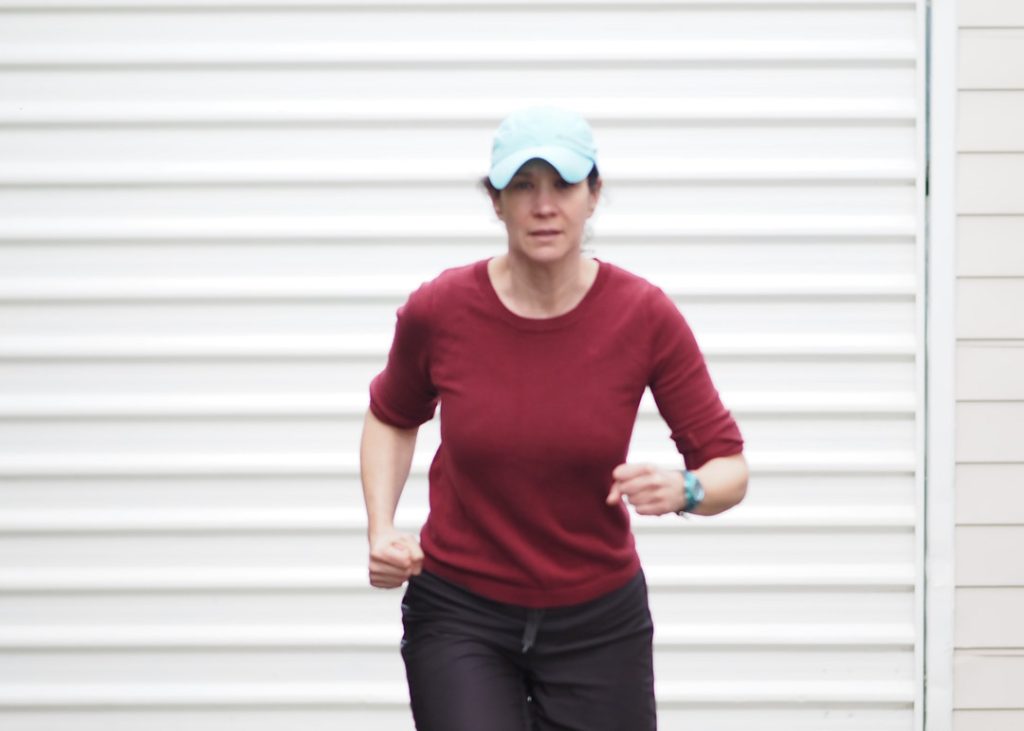
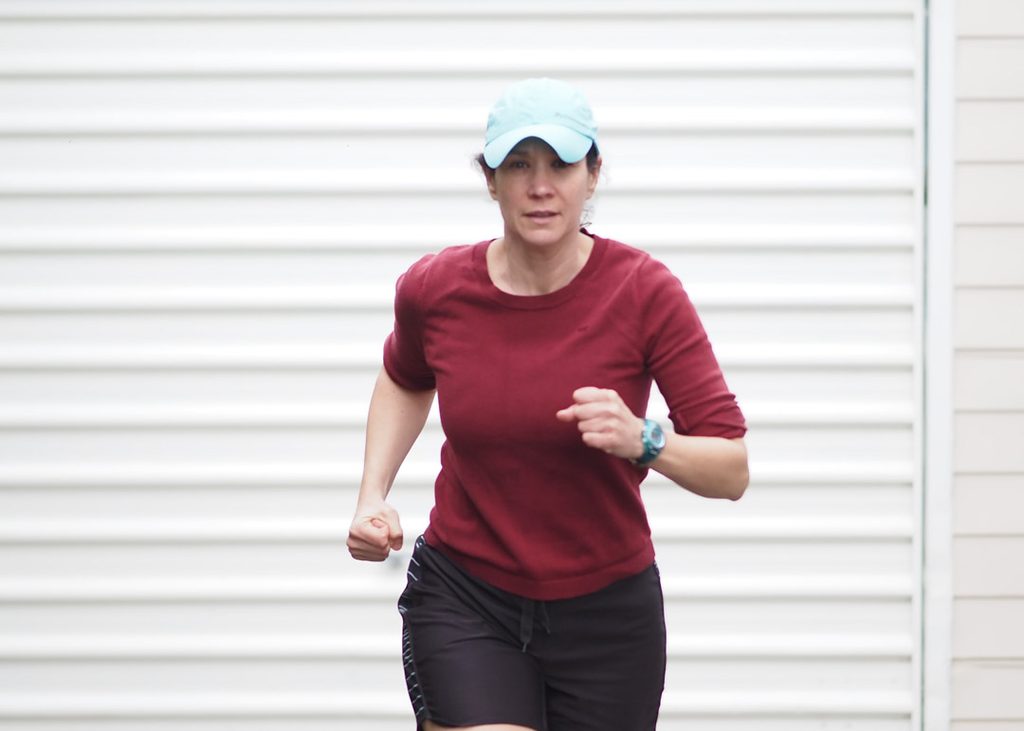
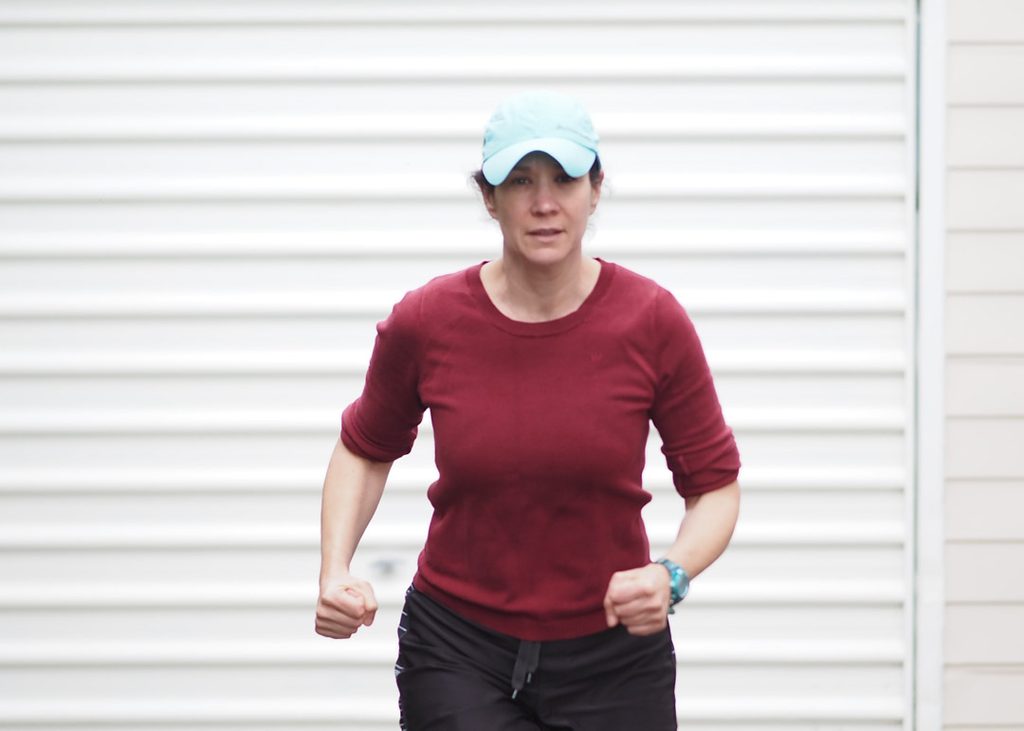
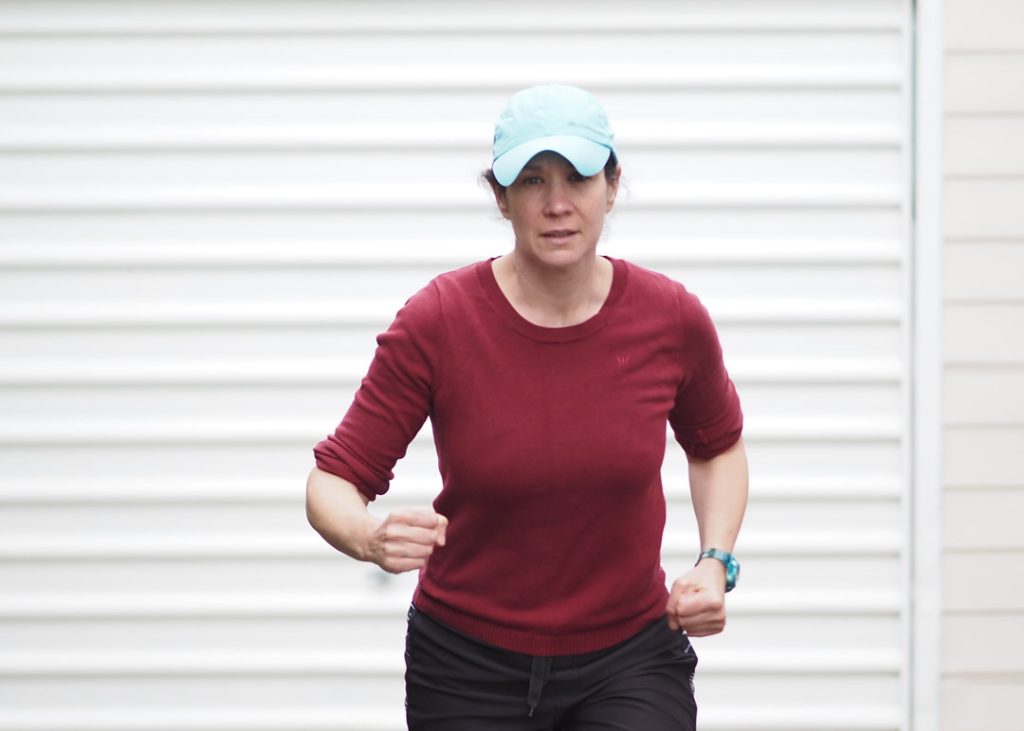
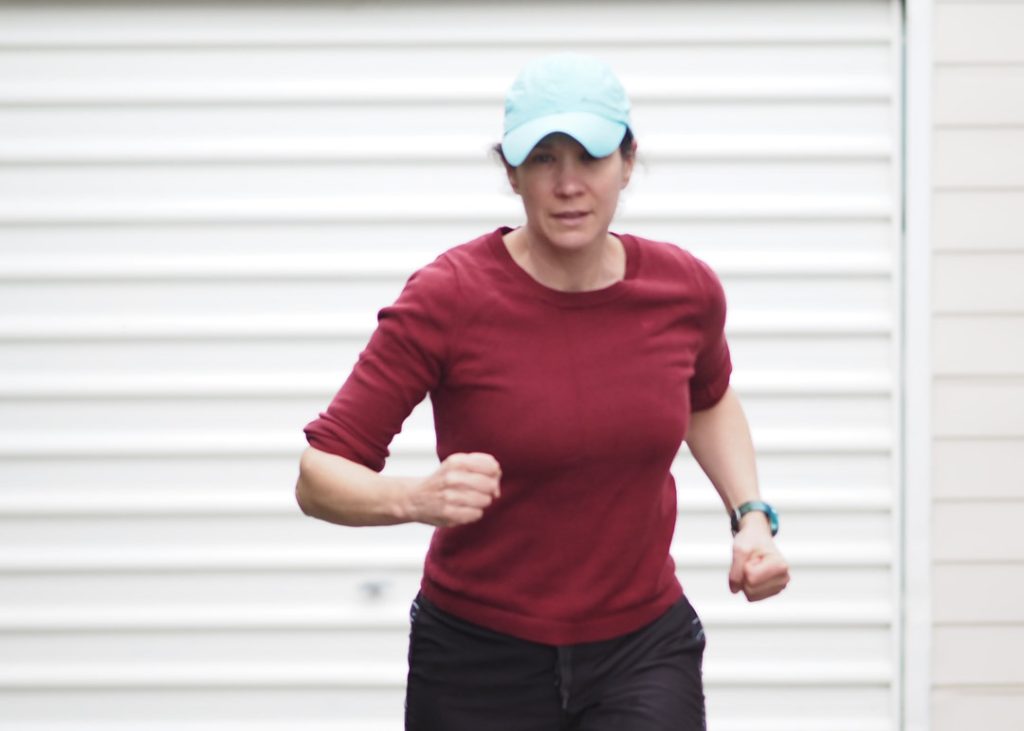
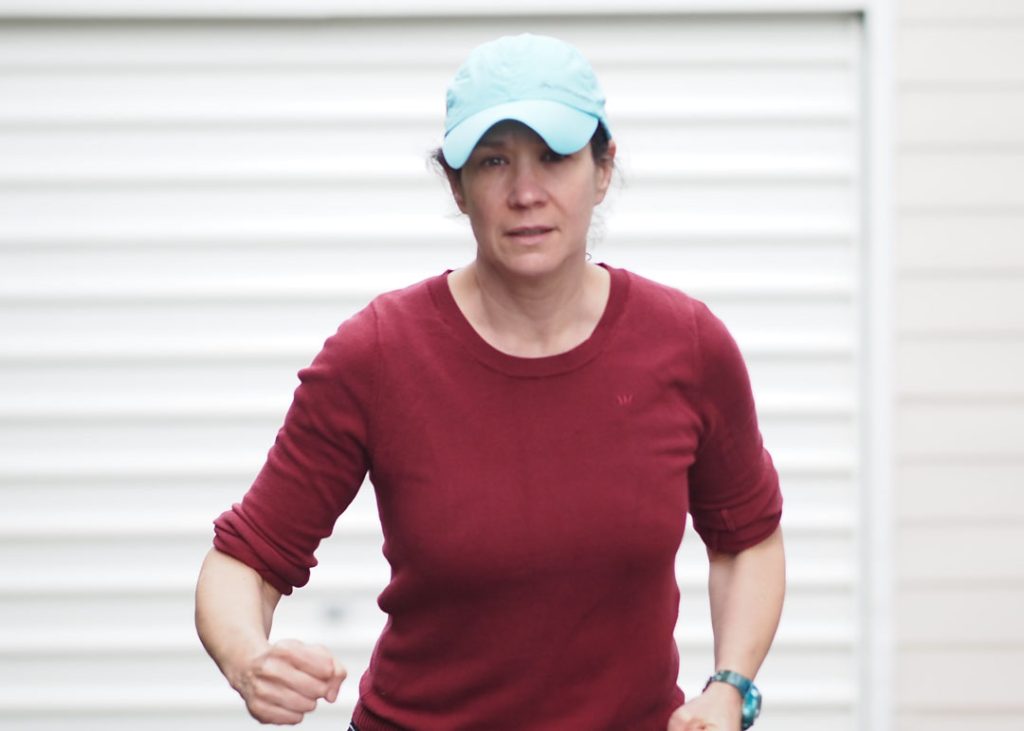
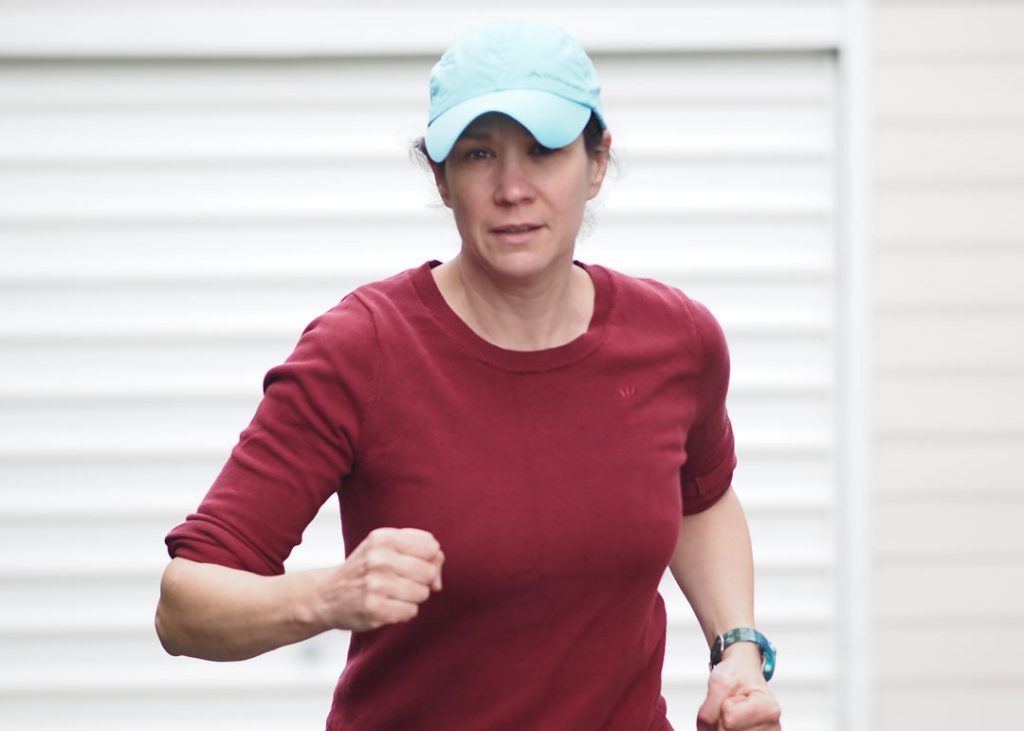
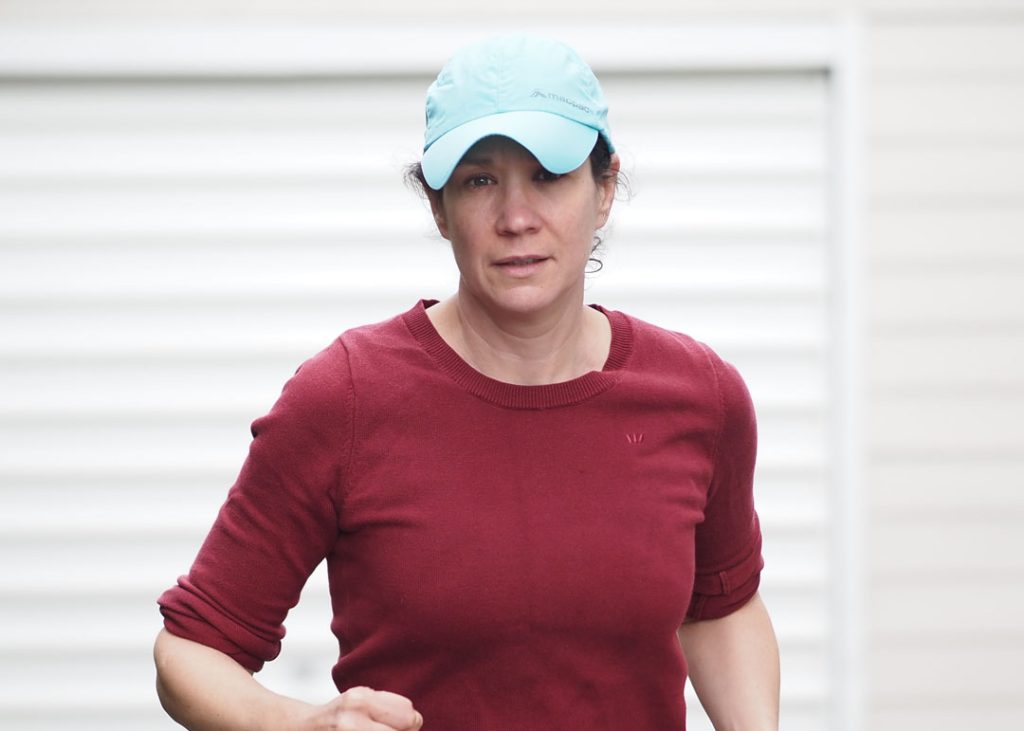

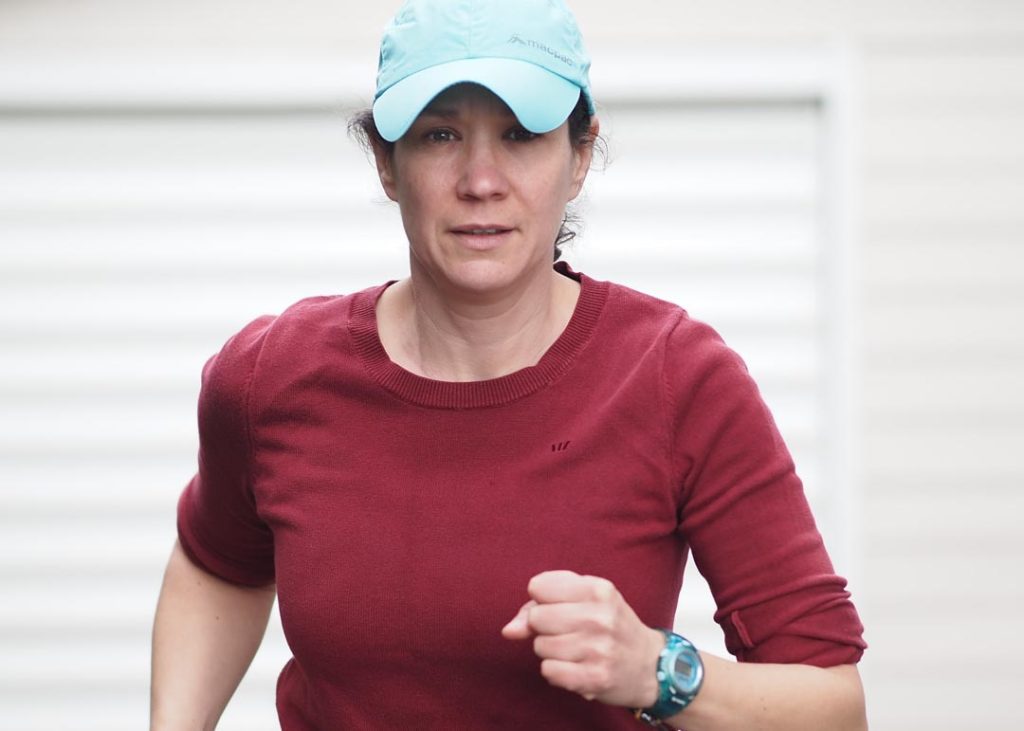
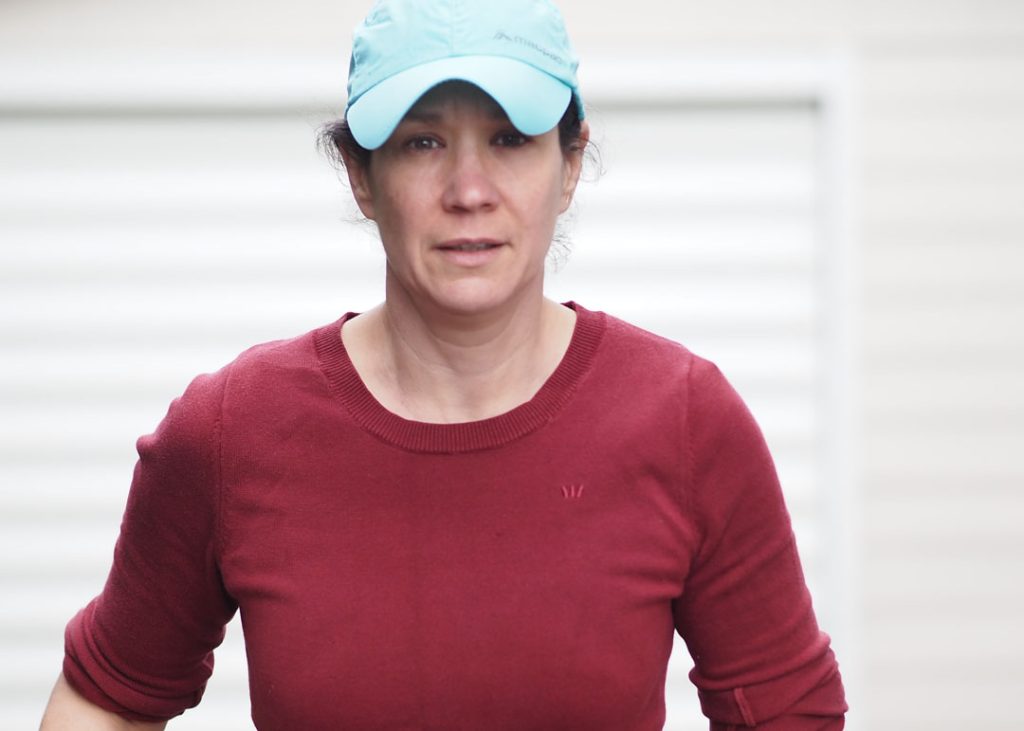



Comments: Excluding the last two images, 7 or 8 where eyes not sharp. Increasing the Tracking Sensitivity appears to have been detrimental in this instance.
Human Subject Detect Focus, Tracking Sensitivity 0
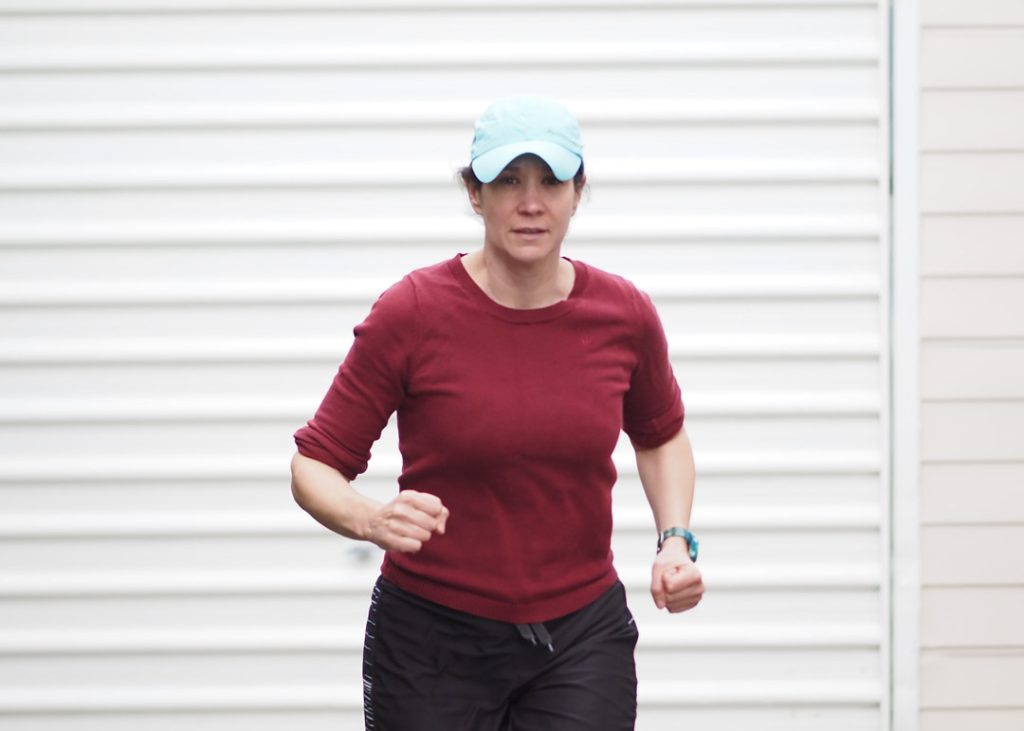
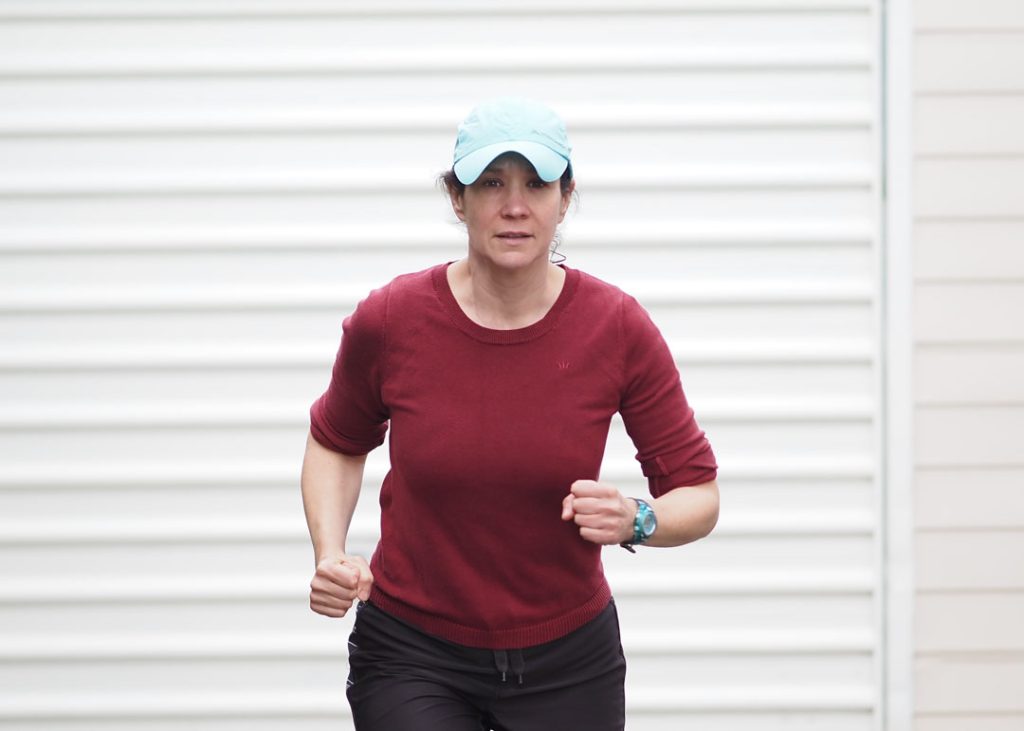
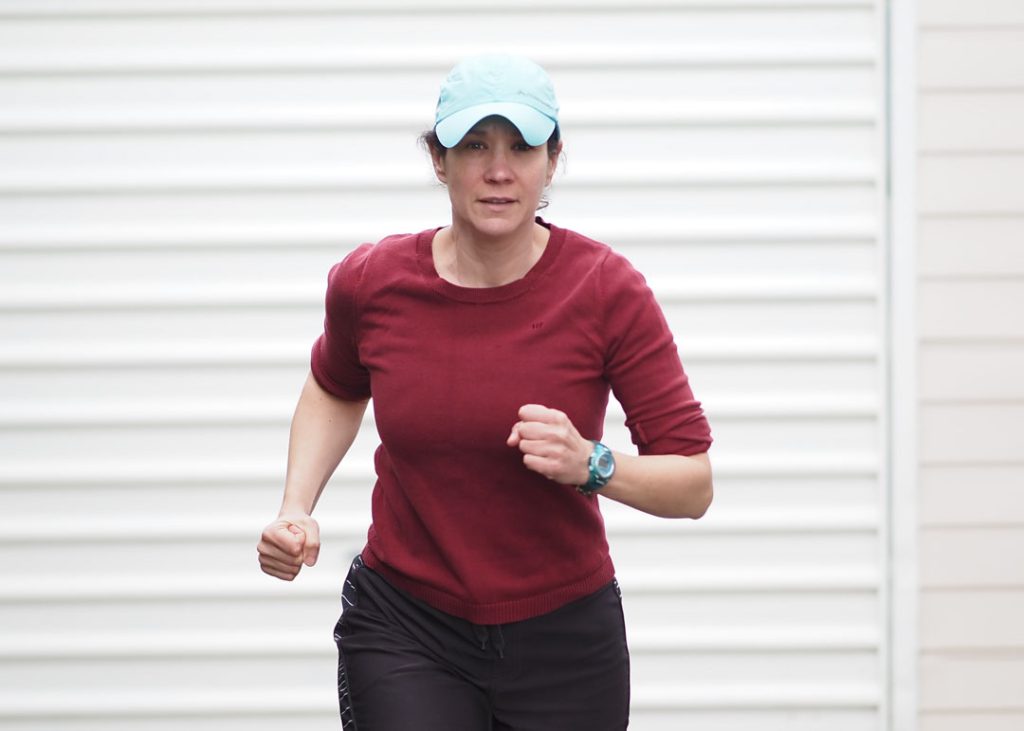
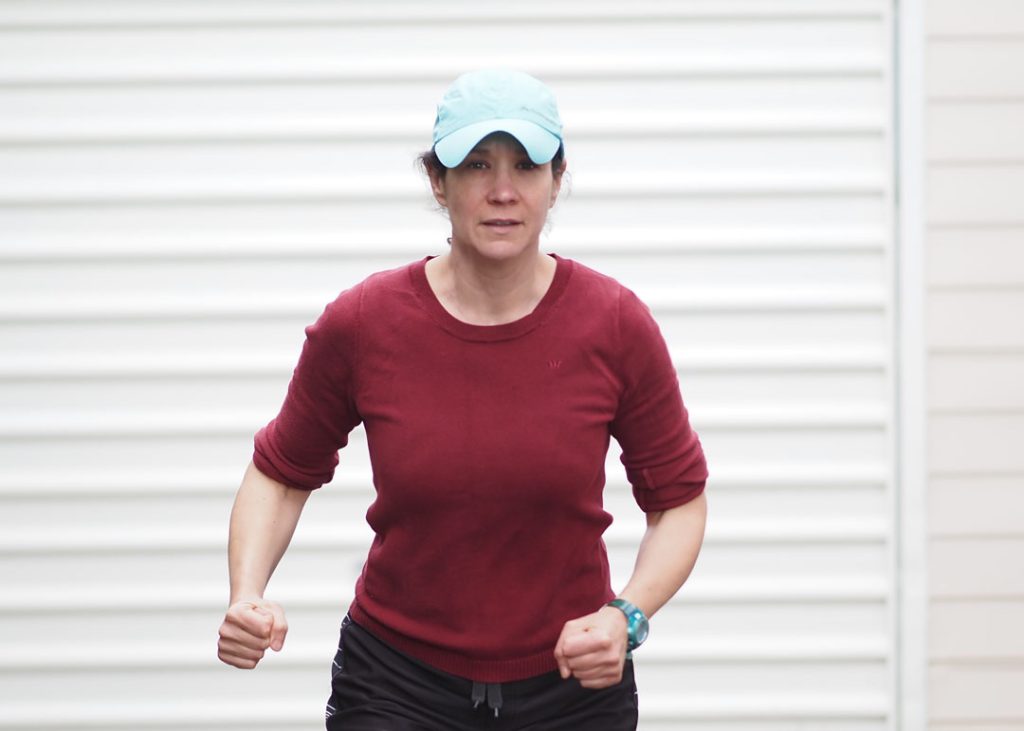
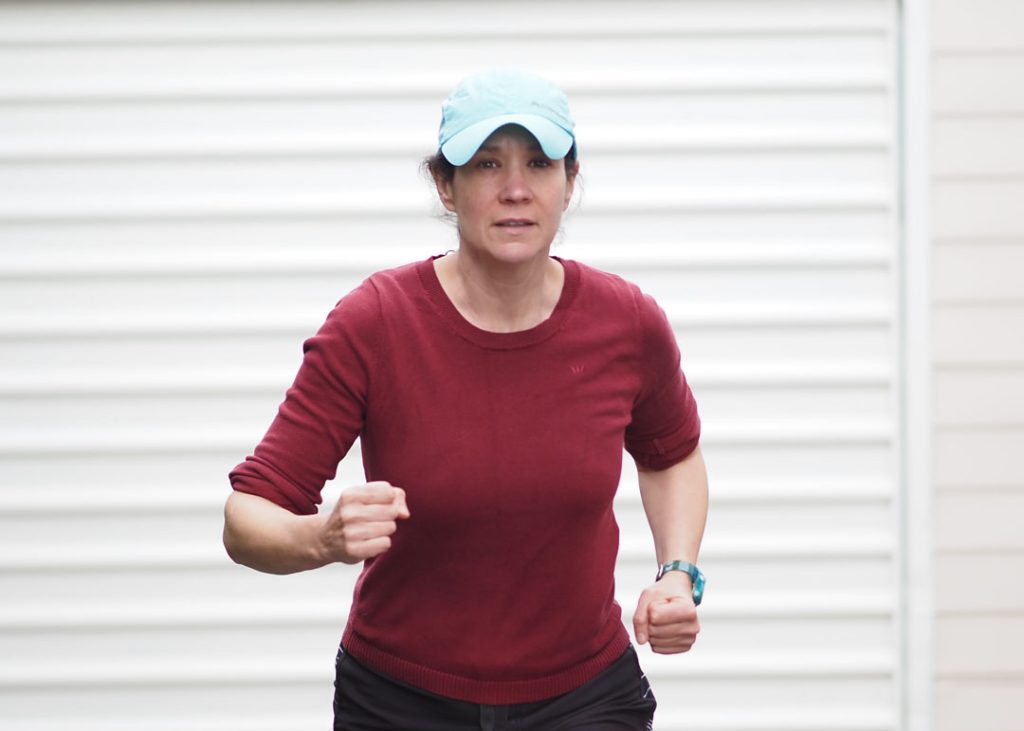
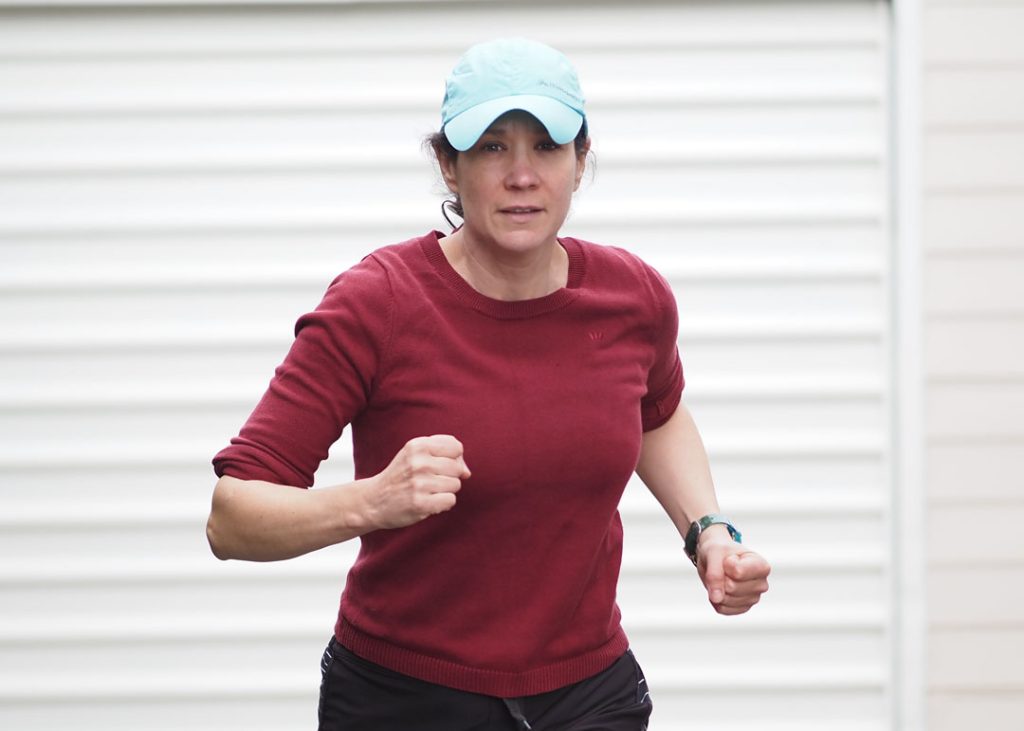
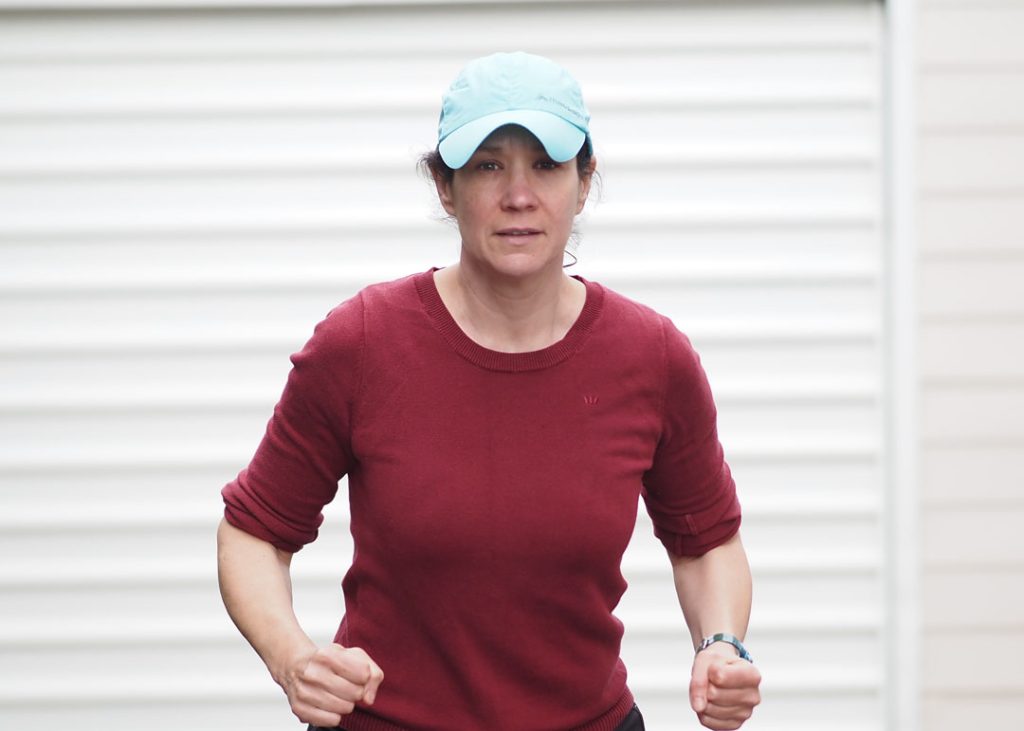
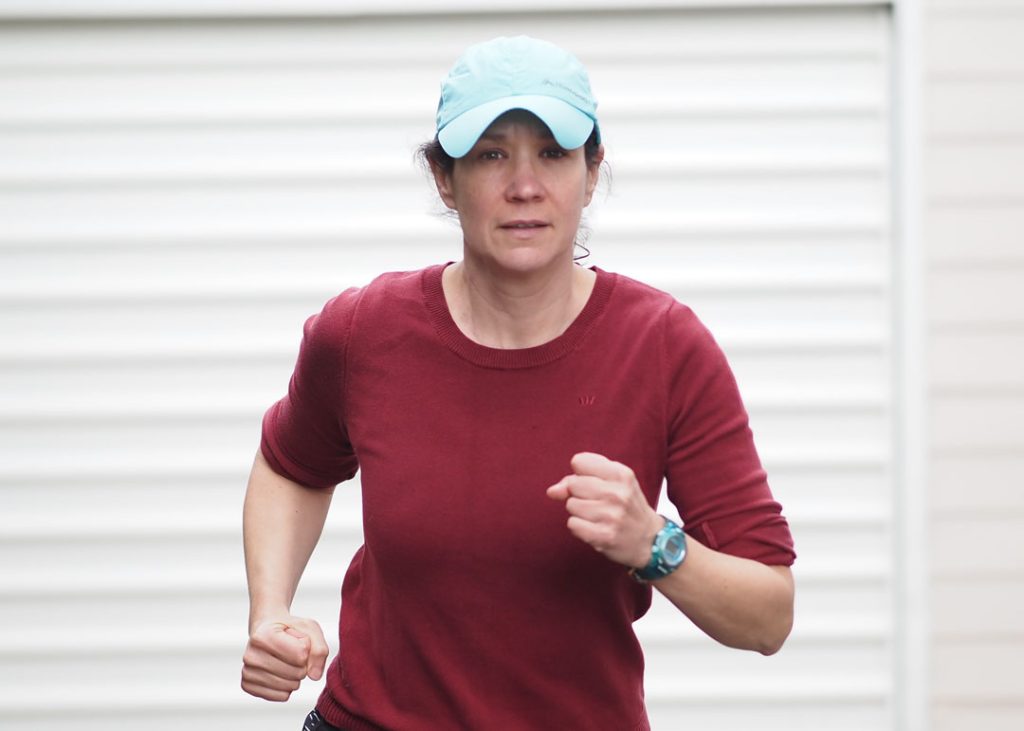
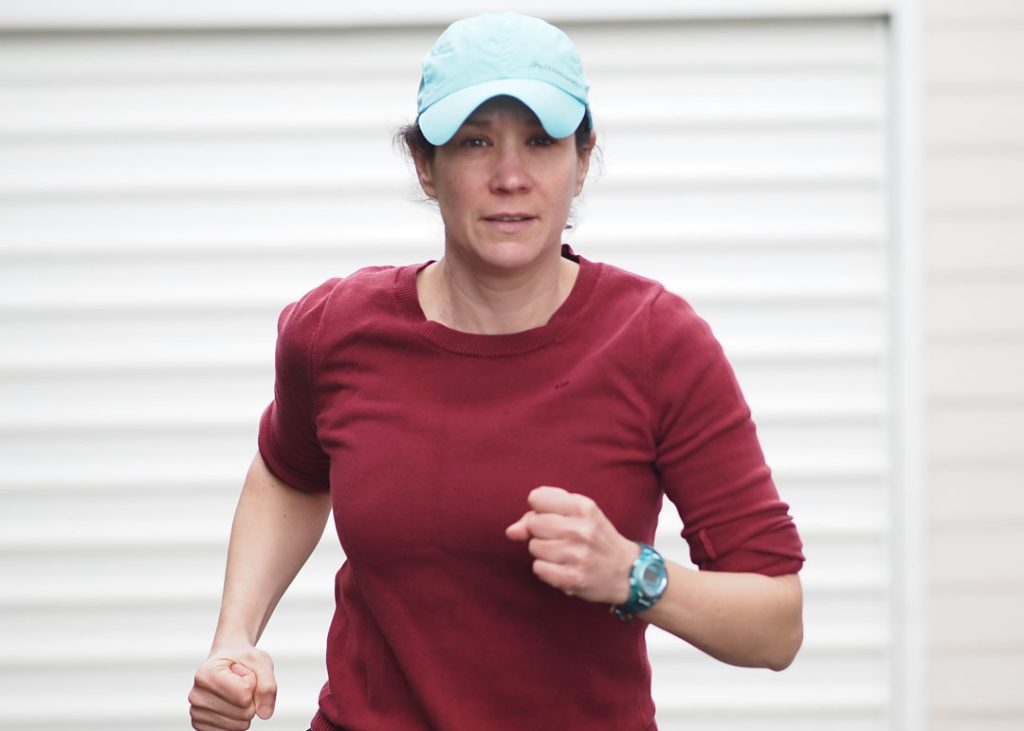
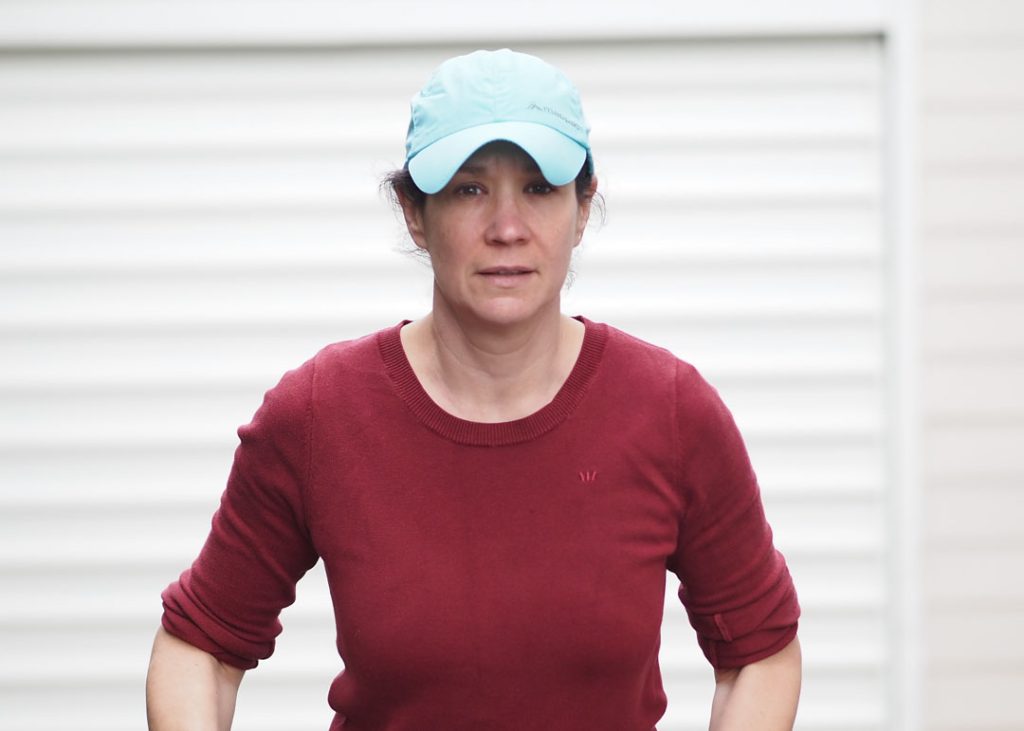

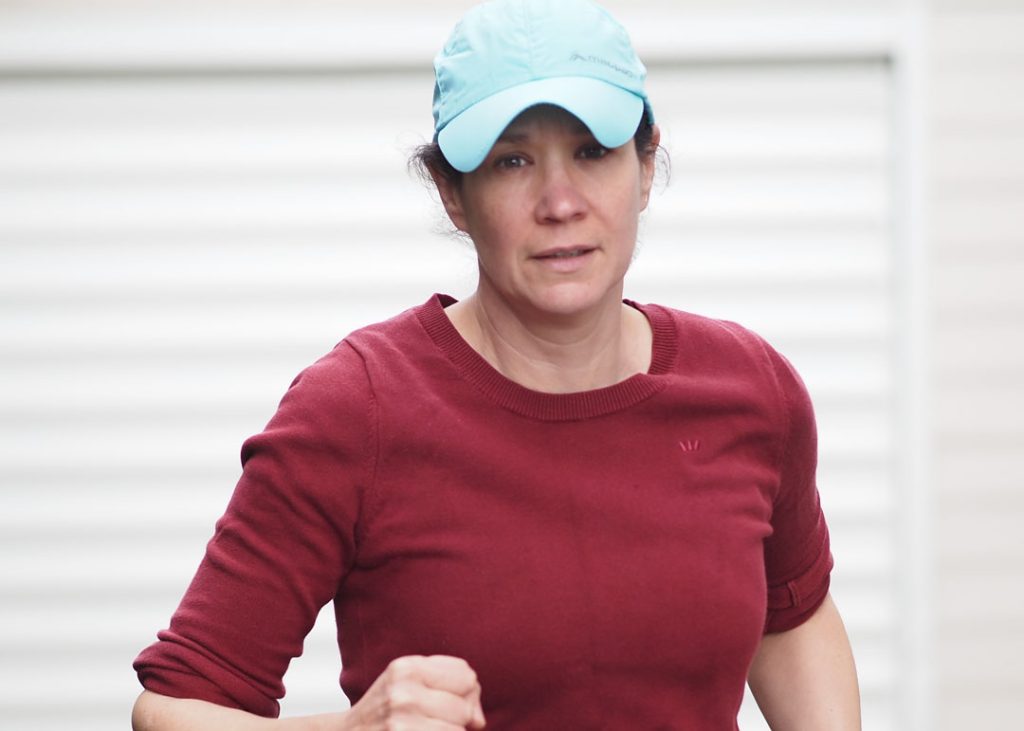

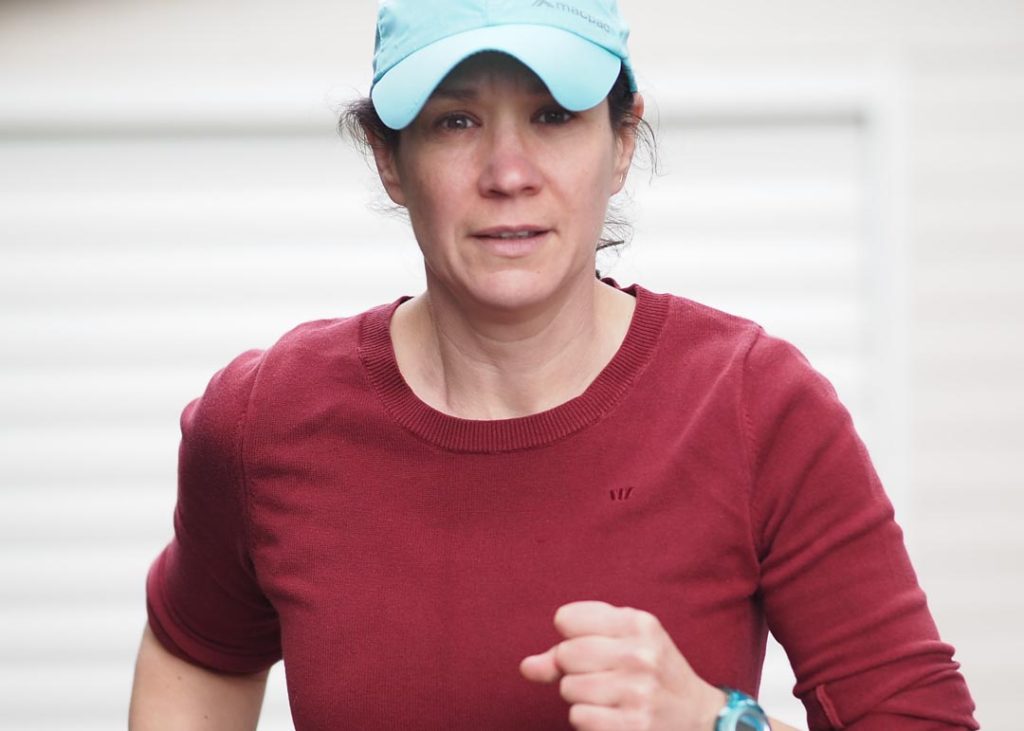



Comments: Excluding the last two images, 9 or 10 where eyes not sharp. Perhaps the cap has hindered the face recognition system.
Human Subject Detect Focus, Tracking Sensitivity 2
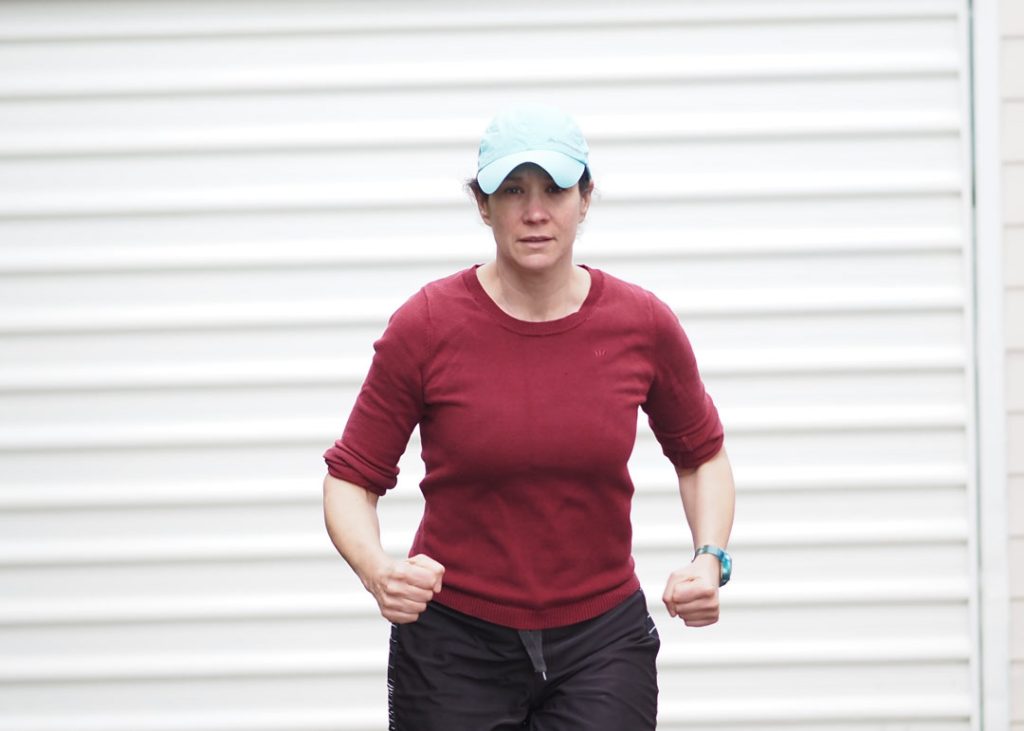
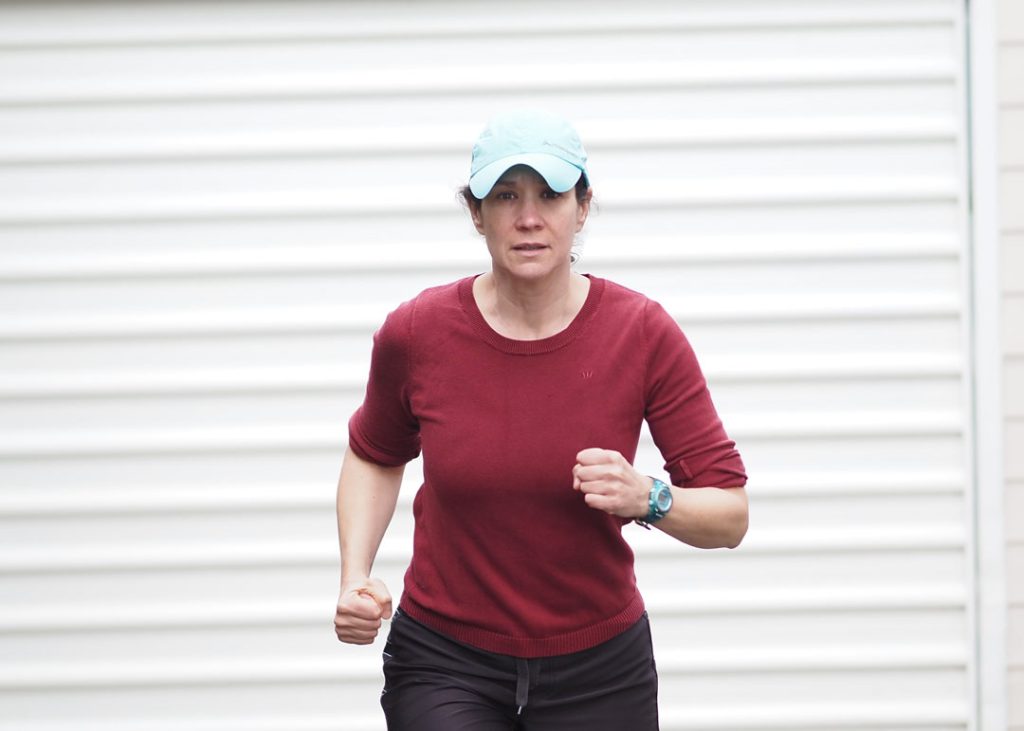
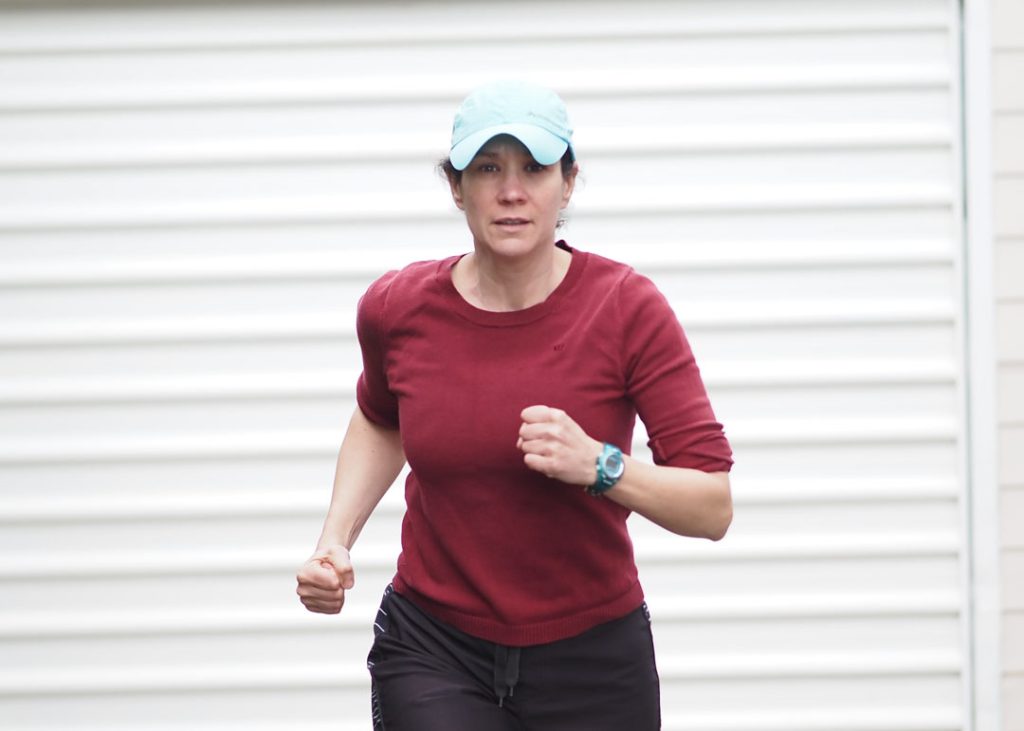
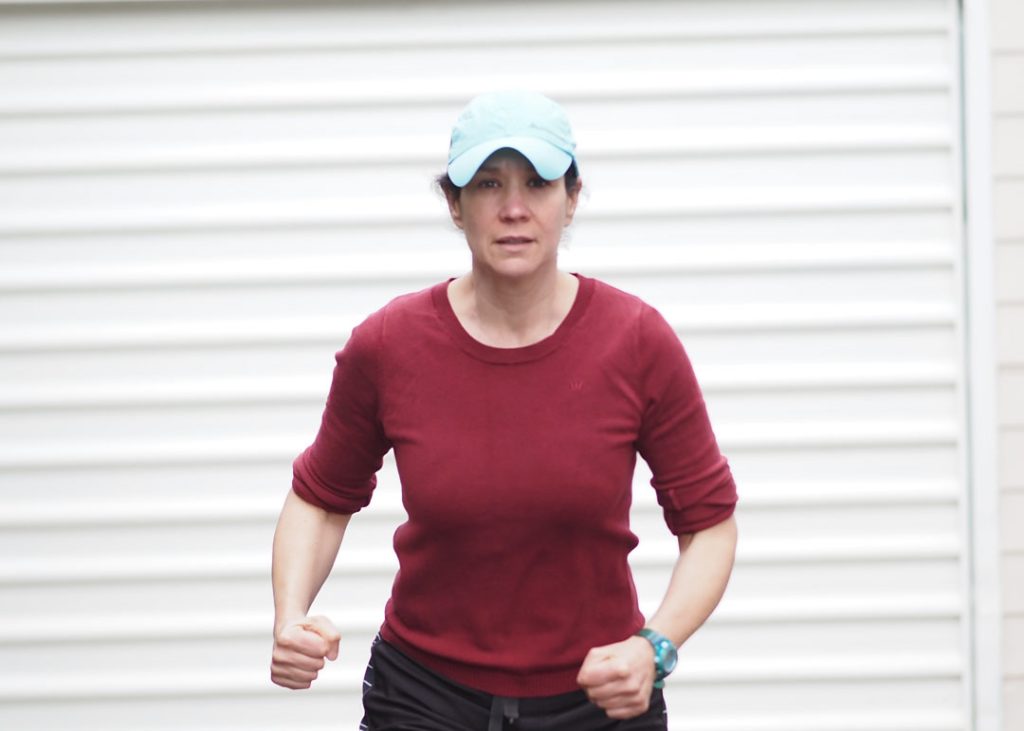
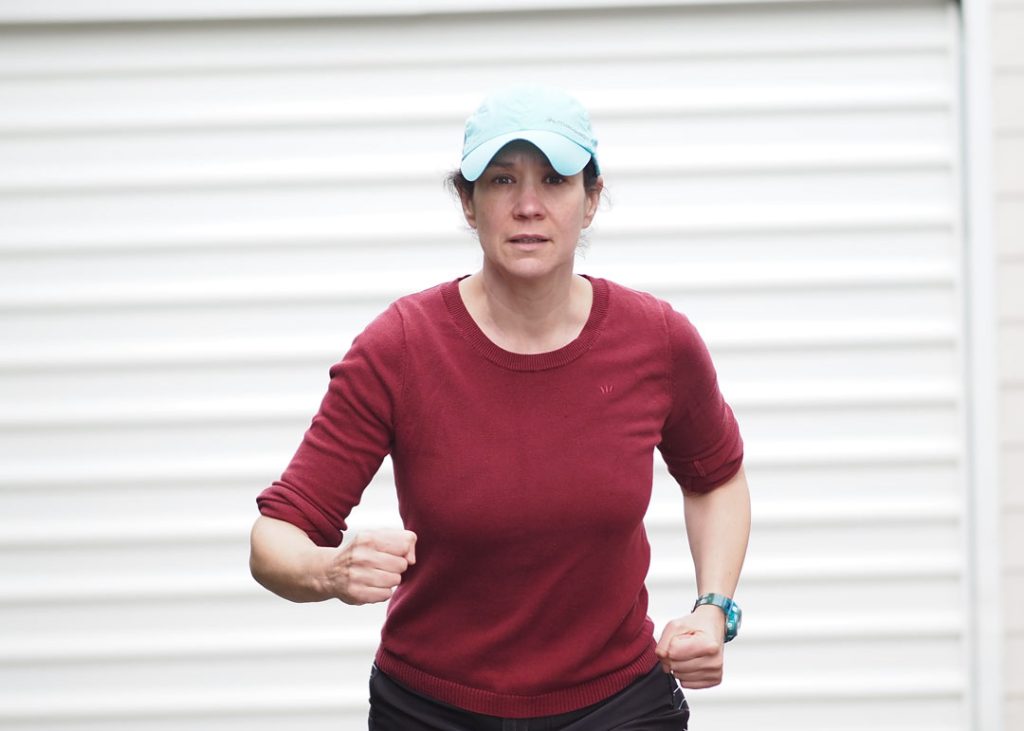
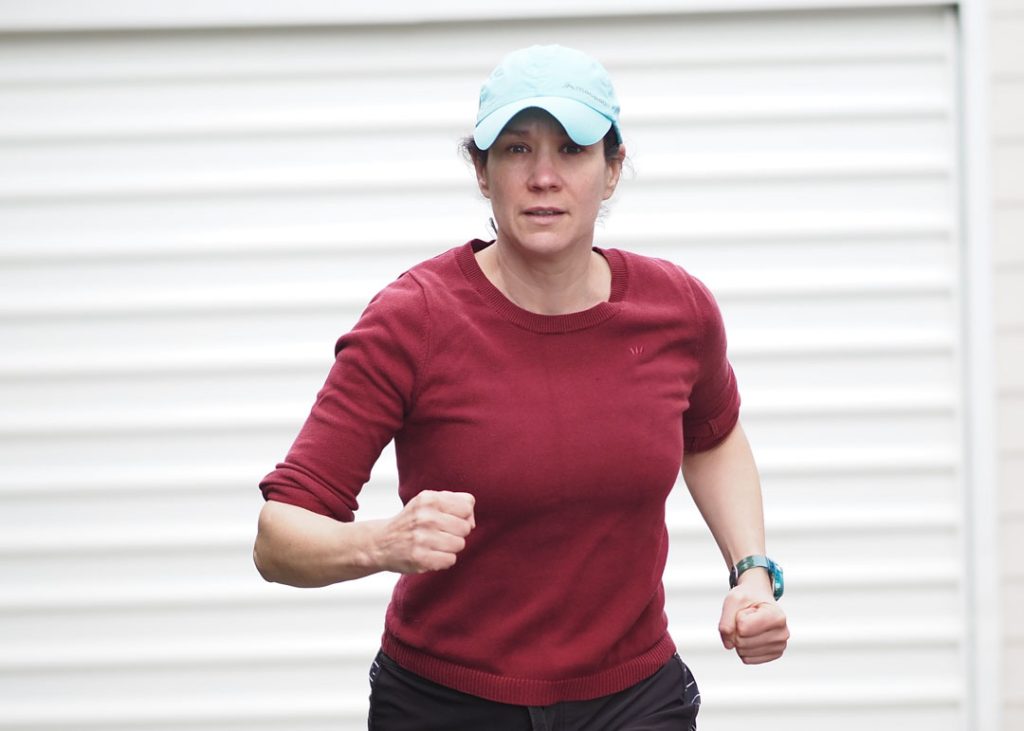
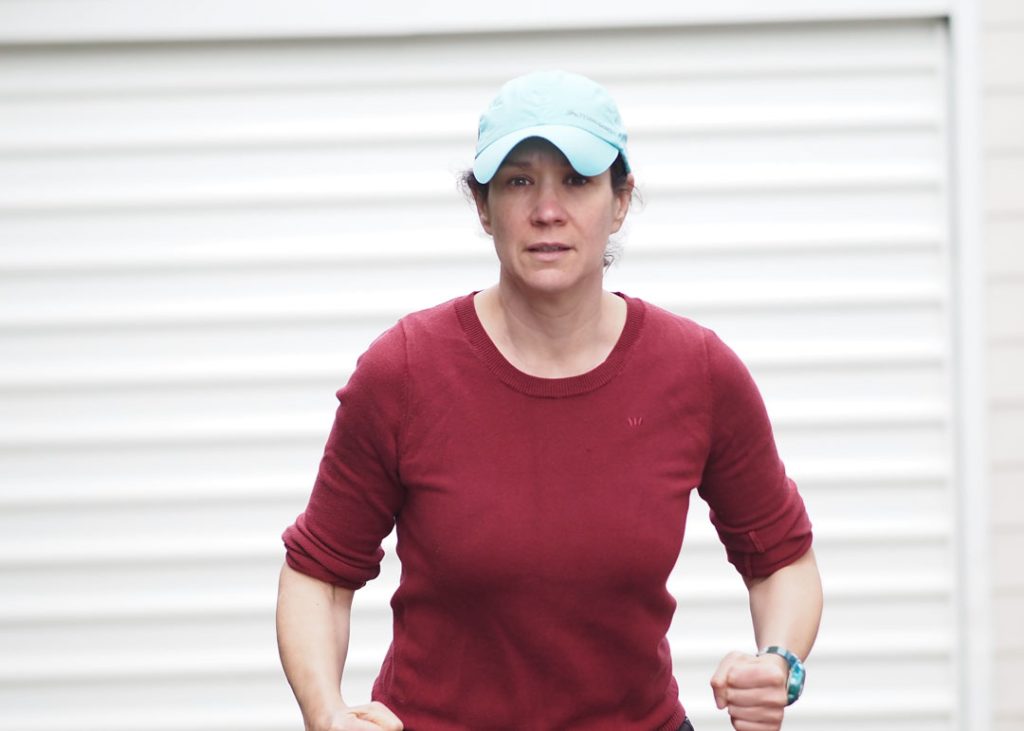

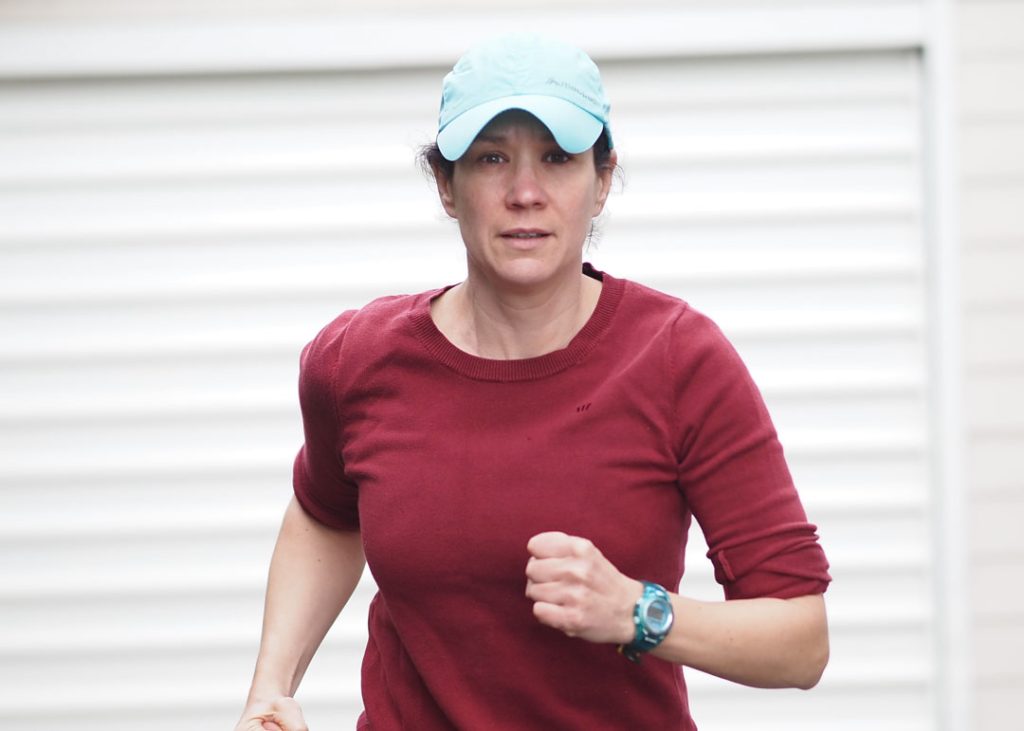








Comments: Only 2 or 3 images where the eyes are in focus.
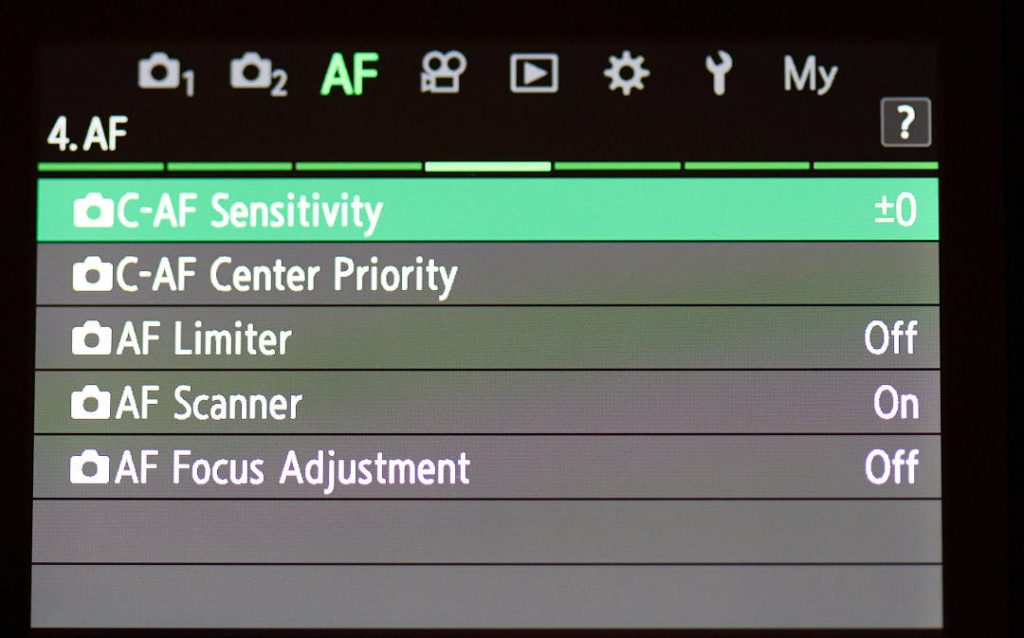
Note: The PEN Manual explains Tracking Sensitivity as “Choose how rapidly the camera responds to changes in the distance to the subject while focusing with [C-AF]. This can help autofocus track a quickly-moving subject or prevent the camera refocusing when an object passes between the subject and the camera.”
I should note that Single AF performance on stationery subject looks good so far. Subject recognition is an important feature of this camera compared to older M43 cameras.
The above is by no means a perfect test. I have not had time to test the C-AF + Tr option. Nonetheless here are my early conclusions of the AF Tracking: Yes, we’re at F1.4 but it’s not state of the art, that’s for sure. But then for an everyday entry level camera non-sports focused camera – perhaps not too bad. More testing needed but for now it appears that using the AF point is preferable to face tracking for this particular use case. Hopefully I will learn more about possible settings that improve my hit rate and sharpness on the eyes. Perhaps a first party lens would fare better? Please let me know in the comments if you have any tips.
I will update this page as I learn more.
Video
The spec sheet shows that this is definitely dated technology in the video world – no 4K60, no 10 bit compression, etc. Frankly the video specs here have been roundly rubbished. However there are a few points worth making – the stabilisation as mentioned is good and that’s a major for video. It has a mic jack which at this price point is nice. (DP Review criticised it for not having a headphone jack but that seems a bit harsh for an entry level camera). It has a tally lamp. And the extensive in camera colour customisation applies to video so hopefully I’ll be able to obtain a reasonable look straight out of camera.
I have however noticed some slowness in operation. For example, when you push the Rec button to stop video recording, there is a couple of seconds delay before the red record frame goes away. (Formatting the SD card takes a bit longer than I’m used to as well).
The PEN definitely won’t be my primary video tool.
What remains to test
These are some areas where more testing is needed:
– autofocus with crossing and erratic subjects, with other AF settings applied
– autofocus in lower light
– video autofocus
– battery performance over a full day
– Live ND and Handheld Hi-Res reliability
Conclusion
There’s no such thing as a perfect camera but so far first impressions are generally pretty good. However, I’ve only had the camera for a day so haven’t touched on everything by a long shot.
Perhaps the best thing about the OM SYSTEM PEN is not covered on any spec sheet – and that’s the likelihood that, wherever you journey, you’ll actually take this camera with you for the ride.
Feel free to hit me up with any questions below.
Thank you for this real world initial review! It’s good to see after so many shallow influencer “reviews.” I think this camera shows real promise.
I prefer Panasonic because of the dedicated switch for aoutofocus.
Nice review though!